What Is Water Kefir?
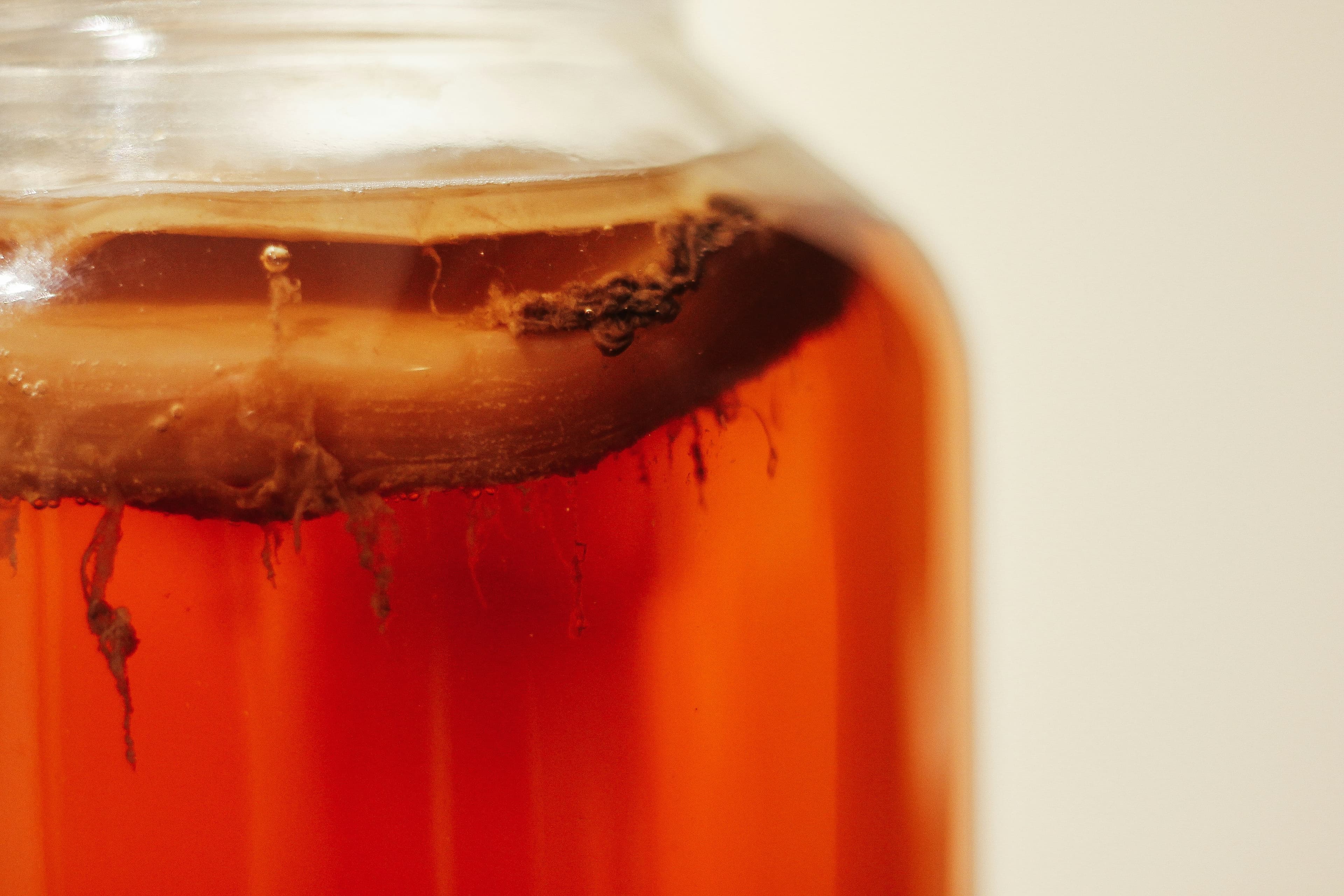
Water kefir is a naturally fermented, fizzy drink made by feeding sugar water to water kefir grains — small, translucent crystals that are actually a colony of bacteria and yeast (similar to a kombucha SCOBY, but in grain form). The grains eat the sugar and produce lactic acid, a tiny bit of alcohol, and CO2 (the fizz).
The result is a lightly sweet, mildly tangy, probiotic soda that you can flavor however you want. It's faster than kombucha (24–48 hours vs. 7–14 days), doesn't require tea, and is a great option for anyone avoiding caffeine. If you prefer dairy ferments, milk kefir uses a similar grain culture. For a no-equipment soda starter, try a ginger bug.
💡 Where to get grains
The easiest option is to buy them online. They ship well and activate quickly. Unlike kombucha SCOBYs, you can't grow kefir grains from scratch — you need to start with an existing culture. The grains multiply over time, so you'll eventually have plenty to share or store as backups.
First Fermentation (F1)
This is where you make the base water kefir. It takes 24–48 hours.
Dissolve the sugar. Heat 1 cup of water and dissolve the sugar in it. Add the remaining 3 cups of cool water to bring it to room temperature. Important: the water must be room temp or cooler before adding grains — hot water will kill them.
Add the grains. Pour the sugar water into your mason jar and add the kefir grains. Drop in a piece of dried fruit (like half a date) if you want to give the grains extra minerals. Cover with a cloth or coffee filter secured with a rubber band — not a sealed lid, as CO2 needs to escape during F1.
Ferment 24–48 hours. Leave the jar at room temperature, out of direct sunlight. After 24 hours, taste it — it should be less sweet and slightly tangy. At 48 hours, most of the sugar is consumed and the flavor is more sour. Don't go much beyond 48 hours or the grains will run out of food and start to suffer.
Strain. Pour the liquid through a fine-mesh strainer into a clean jar or pitcher. The grains stay in the strainer — you'll use them again immediately for your next batch. The strained liquid is your finished water kefir (or the base for second fermentation).
Second Fermentation (F2) — The Fizzy Part
F1 gives you flat or lightly bubbly water kefir. F2 is how you get real fizz and add flavor. This is optional but highly recommended.
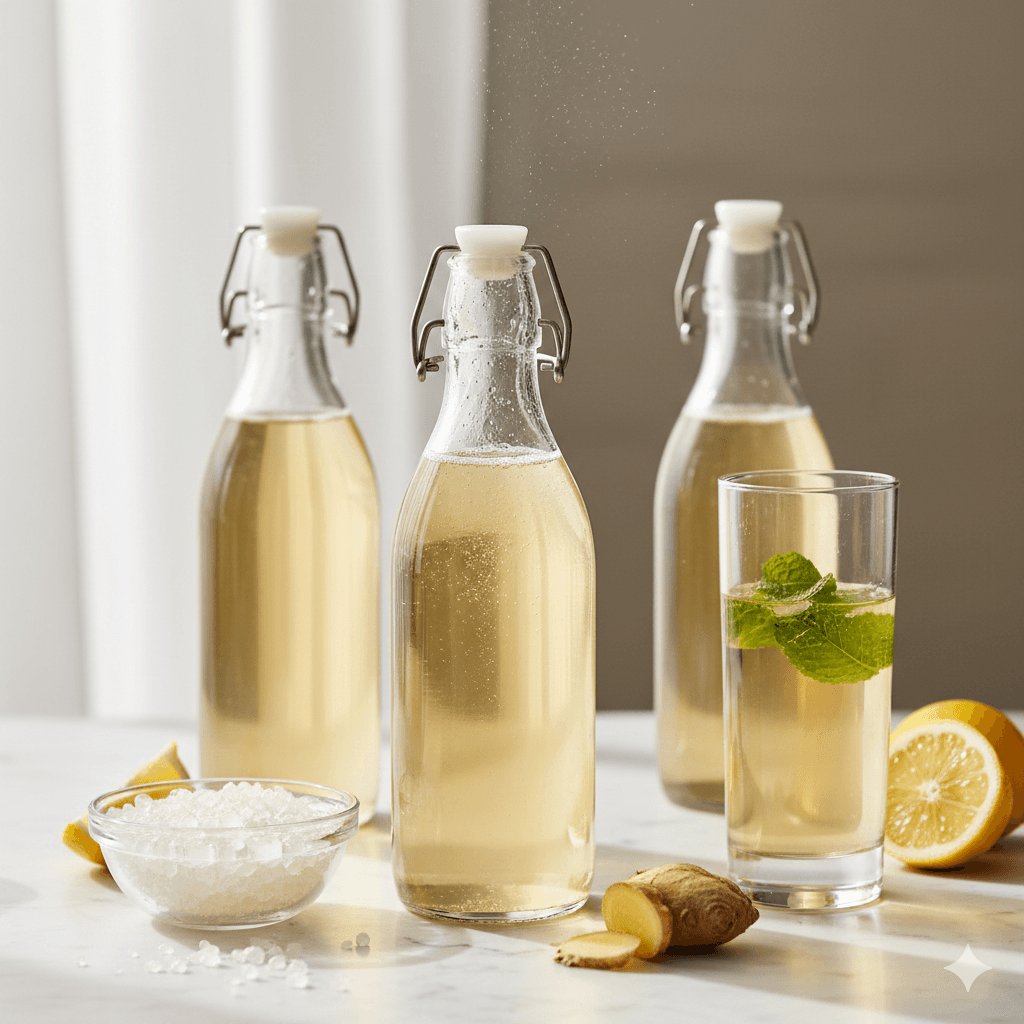
Add flavoring. Pour the strained water kefir into flip-top bottles, leaving about an inch of headspace. Add your flavoring (see ideas below). A good ratio is about 10–20% juice to kefir, or a few tablespoons of chopped fruit per bottle.
Seal and carbonate. Close the bottles and leave at room temperature for 12–24 hours. The sealed bottle traps CO2, creating carbonation. Burp the bottles at least once by briefly opening the cap — water kefir can build serious pressure, especially with fruit juice. After 12–24 hours, move to the fridge.
⚠️ Pressure warning
Water kefir carbonates fast — sometimes faster than kombucha. Always use bottles rated for carbonation (never regular glass that might shatter). Burp every 12 hours during F2. Open bottles over the sink the first few times until you learn how much pressure your setup produces. Fruit juice + warm room = volcanic potential.
Flavor Ideas
- Lemon-ginger — juice of 1/2 lemon + 1 tbsp grated ginger per bottle. The ginger adds extra fizz.
- Berry — 2–3 tbsp smashed raspberries, blueberries, or blackberries. Gorgeous color.
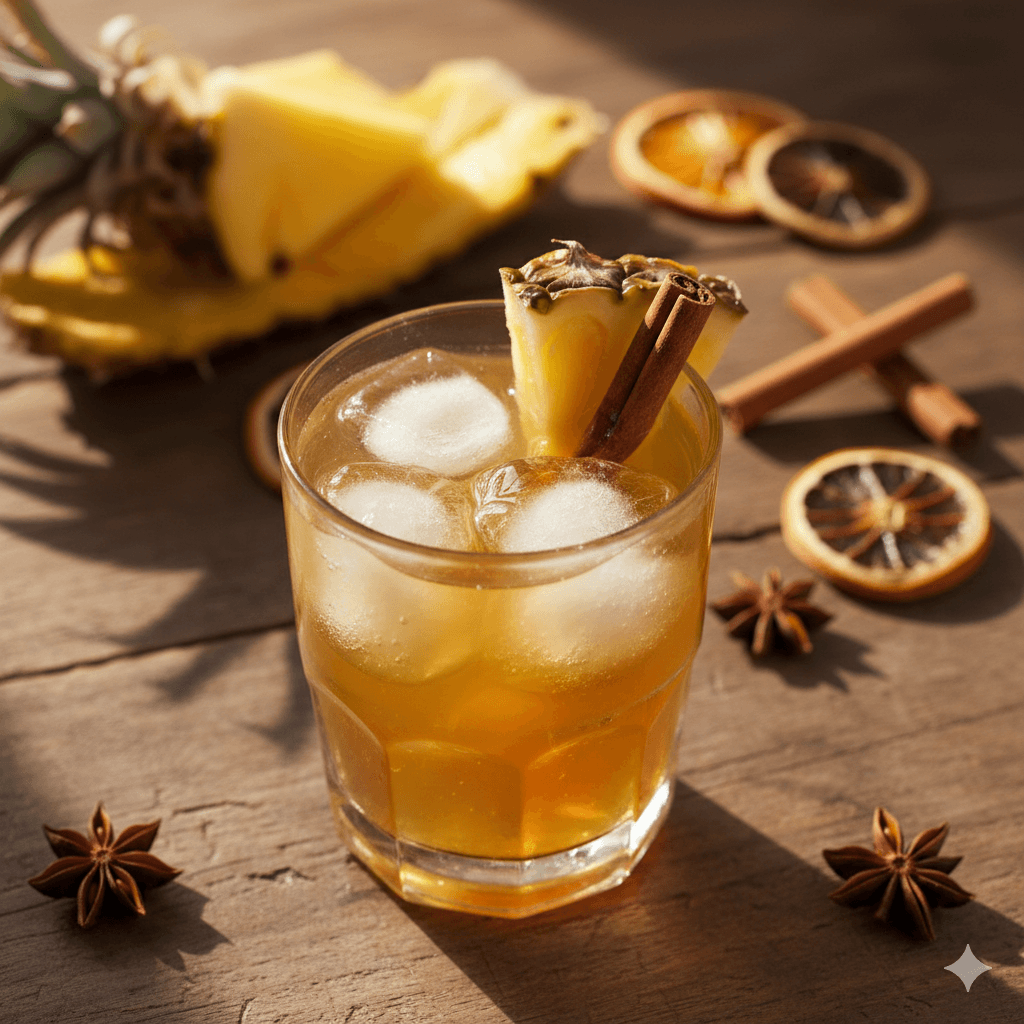
- Tropical — 2 tbsp passion fruit pulp or pineapple juice. Summer in a bottle.
- Grape soda — 2 tbsp Concord grape juice. Tastes exactly like grape soda, minus the junk.
- Hibiscus-lime — brew strong hibiscus tea, cool, add 2 tbsp per bottle + squeeze of lime. Beautiful pink color.
- Root beer — 1/4 tsp vanilla + 1/4 tsp sarsaparilla root (or a drop of root beer extract). Surprisingly convincing.
- Plain — just add 1 tsp of sugar per bottle for fizz without flavor. A clean, mineral-water-like drink.
Keeping Your Grains Happy
Water kefir grains are living organisms. With basic care, they'll last indefinitely and multiply. Here's how to keep them thriving:
- Feed regularly — Start a new batch immediately after straining, or store in sugar water in the fridge for up to 2 weeks.
- Use mineral-rich sugar — Organic cane sugar, coconut sugar, or rapadura. If using white sugar, add a pinch of minerals (a piece of dried fruit, eggshell, or mineral drops).
- Avoid honey — Raw honey is antimicrobial and can damage the grains.
- Keep them warm — 68–85°F (20–29°C) is ideal. Below 65°F, fermentation slows way down.
- No metal — Use plastic, wood, or silicone utensils. This is debated, but why risk it.
Troubleshooting
Grains aren't growing or multiplying
They might need more minerals. Switch to organic cane sugar, add a piece of dried fruit, or try a pinch of baking soda. Also check your water — heavily chlorinated tap water can stress the grains. Use filtered water or let tap water sit out overnight to off-gas chlorine.
It's still too sweet after 48 hours
Your kitchen might be too cool, or you might need more grains relative to the amount of sugar water. Try a warmer spot or add more grains. The ratio of about 3 tablespoons of grains per quart is a starting point — adjust based on your environment.
It tastes like vinegar
You fermented too long. The bacteria have converted all the sugar and started producing more acid. Shorten F1 to 24 hours. This also happens if you use too many grains — the ferment finishes too fast.
No carbonation
Carbonation happens in sealed bottles (F2). If you're not getting fizz: make sure your bottles are truly airtight (swing-top flip-top bottles work best), add a tiny bit of sugar or fruit juice for the yeast to eat, and give it 24 hours at room temperature before refrigerating.
🧊 Going on vacation?
Put your grains in fresh sugar water and store them in the fridge. They'll hibernate for 2–3 weeks with no issues. For longer breaks, you can dehydrate them: spread on parchment paper and let them dry at room temperature for 3–5 days, then store in a sealed bag. They'll reactivate when you put them back in sugar water (it may take a batch or two).