Brewing kombucha at home sounds intimidating until you understand the basics — then it becomes one of the most satisfying and lowest-effort fermentation projects you can take on. Once your setup is going, each batch takes about 15 minutes of active work and rewards you with a gallon of fizzy, tangy, probiotic-rich drink that tastes nothing like the $5 bottles at the grocery store.
This guide walks you through everything from scratch: what you need, how fermentation works, and exactly what to do at each step. If you've never made kombucha before, this is your starting point.
What Is Kombucha?
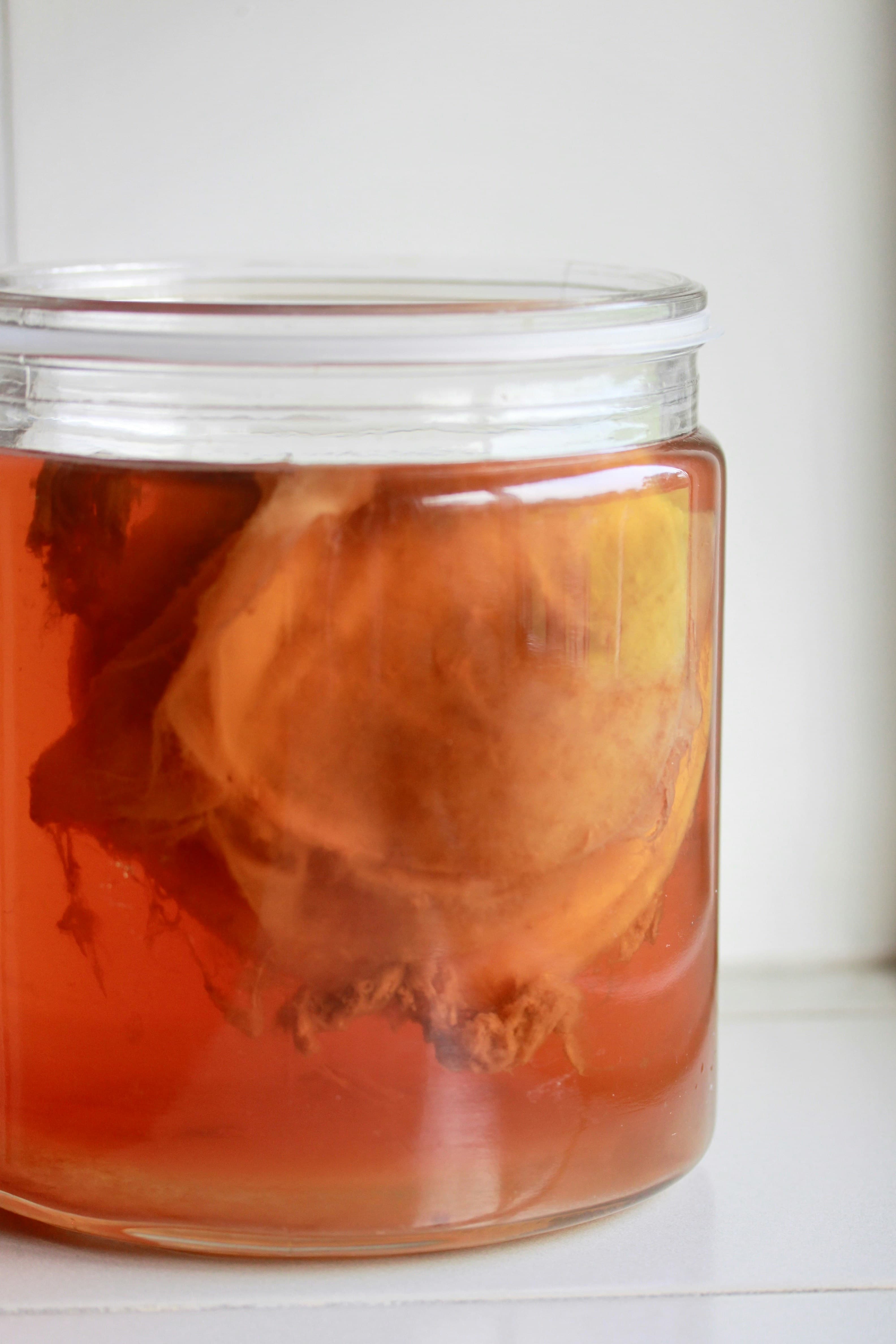
Kombucha is fermented sweet tea. You brew strong black or green tea, dissolve sugar into it, and introduce a SCOBY — a Symbiotic Culture of Bacteria and Yeast — along with a cup or two of finished kombucha from a previous batch (called starter liquid). Over seven to fourteen days at room temperature, the SCOBY consumes most of the sugar and transforms the tea into a lightly effervescent, pleasantly tart drink with a small amount of alcohol (typically under 1%) and a complex range of organic acids.
The result is genuinely different from store-bought kombucha. Commercial kombucha is usually filtered, pasteurized, and sweetened after the fact. Homemade kombucha is raw, alive, and adjustable to your own taste preferences. For a deeper comparison, see our post on kombucha vs. store-bought.
What You Need
The good news: the basic equipment list is short and inexpensive.
Equipment:
- A one-gallon glass jar (wide-mouth mason jars work well, or a dedicated kombucha brewing vessel)
- A breathable cloth cover — cheesecloth, a coffee filter, or a tight-weave cloth
- A rubber band to secure the cover
- A wooden or plastic spoon for stirring
- Glass bottles with tight-sealing caps for the second fermentation (flip-top Grolsch-style bottles or recycled kombucha bottles work great)
- A fine-mesh strainer or funnel with strainer
Ingredients (for one gallon):
- 1 gallon of filtered or dechlorinated water
- 8 bags of plain black tea (or 2 tablespoons loose-leaf)
- 1 cup (200g) of white cane sugar
- 1 SCOBY
- 1–2 cups of starter liquid (unflavored, raw, finished kombucha)
If you don't have a SCOBY yet, read our kombucha SCOBY guide for sourcing options, including how to grow one from a store-bought bottle. For equipment recommendations, check out our picks for kombucha brewing kits — many include a SCOBY and starter liquid so you can get going right away.
On sugar type.
Use plain white cane sugar for your first several batches. The SCOBY knows how to process it efficiently, and it produces a clean, neutral flavor. Once you're comfortable with the process, you can experiment with raw sugar or honey — but be aware that honey has antimicrobial properties and requires adjustment. Avoid artificial sweeteners entirely; the SCOBY cannot ferment them.
Step 1: Brew the Sweet Tea
Bring about half your water (roughly half a gallon) to a boil. Remove from heat, add your tea bags, and steep for five to ten minutes. Remove the bags without squeezing them — squeezing releases tannins that can make the flavor harsh.
While the tea is still hot, add the cup of sugar and stir until fully dissolved. This is important — you want the sugar completely incorporated before you cool the liquid.
Now add the remaining cold water to bring the temperature down. Before adding your SCOBY and starter liquid, the tea must be at or below room temperature — ideally between 68°F and 78°F. Hot liquid will kill or stress your culture. If you're in a hurry, add more cold water or let the jar sit in an ice bath for twenty minutes.
Step 2: Add the SCOBY and Starter Liquid
Pour the cooled sweet tea into your clean gallon jar. Add one to two cups of starter liquid — this acidifies the brew immediately, which protects it from contamination while the fermentation gets established. Then gently place your SCOBY into the jar. It may float, sink sideways, or sit at an angle. All of these are fine.
Cover the jar with your cloth and secure it with a rubber band. The cover lets the culture breathe while keeping dust, insects, and contaminants out. Do not use an airtight lid for the first fermentation — the carbon dioxide produced by fermentation needs to escape.
Step 3: Ferment (First Fermentation)
Place the jar somewhere with stable room temperature, away from direct sunlight. Ideal is between 68°F and 78°F (20–26°C). Cooler temperatures slow fermentation; warmer speeds it up. Avoid storing next to strongly scented foods, cleaning products, or other ferments, as the cloth cover doesn't seal out odors.
Leave it alone for seven to fourteen days. Starting around day seven, begin tasting by inserting a clean straw into the liquid (past the SCOBY), putting your thumb over the end, and transferring a small amount to taste. You're looking for a balance of sweet and tart — not so sweet it tastes like tea, not so sour it tastes like vinegar. This is entirely personal preference. Some people bottle at seven days; some prefer the fuller tang that develops at twelve to fourteen days.
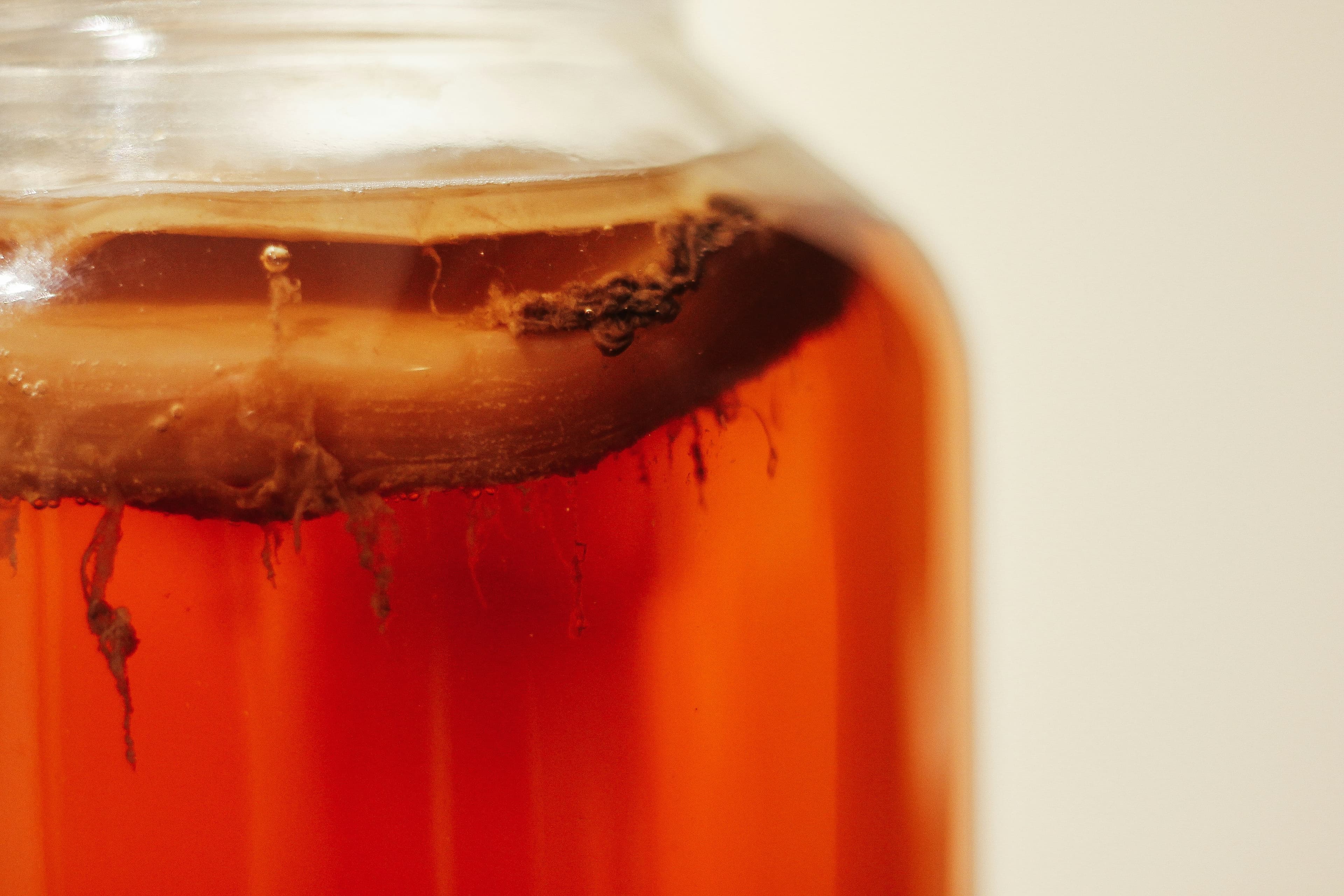
A new SCOBY layer will form on the surface during fermentation — this is a good sign that your culture is healthy and active.
Temperature matters more than time.
A batch at 72°F might be ready in eight days. The same batch at 65°F might need fourteen. Rather than following a strict timeline, taste starting on day seven and bottle when it tastes right to you.
Step 4: Bottle (and Optional Second Fermentation)
When your kombucha is ready, remove the SCOBY and set it aside in a clean bowl with one to two cups of the finished kombucha — this becomes your starter liquid for the next batch. Then pour the remaining kombucha through a strainer into your bottles, leaving about an inch of headspace. Seal the bottles tightly.
At this point you have two options:
Refrigerate immediately for a lightly fizzy, ready-to-drink kombucha. The cold slows fermentation almost completely. It will have some natural carbonation from the first fermentation, but it won't be highly effervescent.
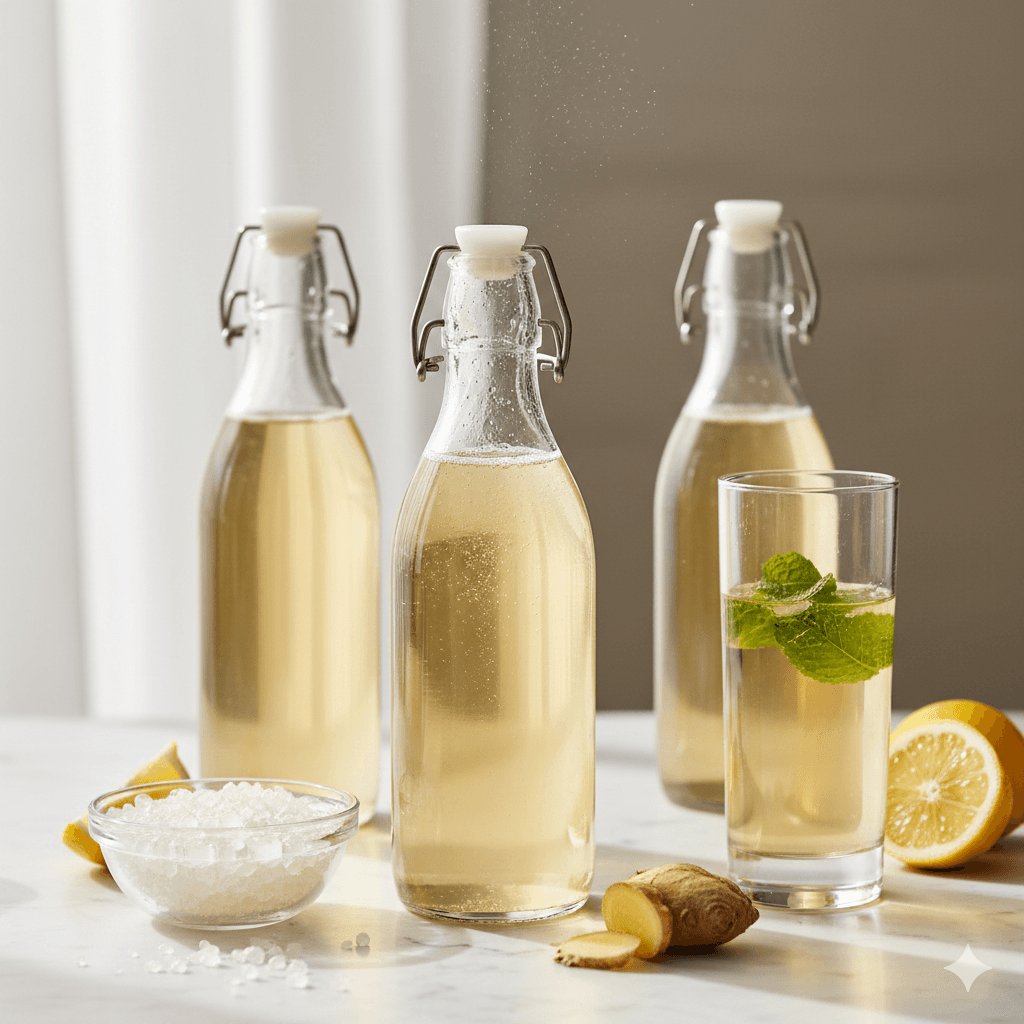
Second fermentation (2F) for stronger carbonation and optional flavoring. Leave sealed bottles at room temperature for one to three days before refrigerating. During this time, residual yeast and bacteria continue fermenting trace sugars, producing CO₂ that pressurizes the bottle and creates the fizz you want. Adding a small amount of fruit juice, fresh fruit, or ginger to the bottle before sealing also feeds the second fermentation and introduces flavor.
A note on pressure: Flip-top bottles can build significant pressure during second fermentation. "Burp" them (briefly open to release pressure) once a day if you're unsure, and refrigerate promptly once they feel firm when squeezed. Leaving them too long at room temperature can cause over-pressurization.
Step 5: Start Your Next Batch
Rinse your brewing jar with hot water (no soap — soap residue can harm your culture). Add your SCOBY and starter liquid, brew a fresh batch of sweet tea, and repeat from Step 1. Each batch conditions the SCOBY and produces starter liquid for the next cycle. After two or three batches, most brewers hit their stride and the process becomes genuinely effortless.
Common Beginner Mistakes
Adding the SCOBY to hot tea. Wait until the tea is at or below room temperature. Hot liquid stresses or kills the culture.
Not enough starter liquid. The starter liquid acidifies your new batch and protects it during the critical early days. Use at least one cup; two cups is better, especially in warmer weather when contamination risk is higher.
Using an airtight lid for first fermentation. CO₂ needs to escape during F1. A tight lid can warp, pop, or cause pressure buildup. Breathable cloth only.
Panicking about the new SCOBY layer. A new pellicle growing on the surface is not contamination — it's the most visible sign your brew is working. It may look uneven, bumpy, or brown-streaked. This is normal.
Giving up on a slow batch. A cooler room means a slower ferment. Before discarding a batch, taste it. If it smells like kombucha (tangy, lightly vinegary, slightly sweet), it's probably fine — it just needs more time.
For a full reference on what healthy and unhealthy SCOBYs look like, see our SCOBY care guide. For troubleshooting specific problems with your brew, visit our kombucha troubleshooting guide.
Flavoring Ideas for Second Fermentation
Second fermentation is where homemade kombucha gets creative. Add any of the following to your bottles before sealing and leaving at room temperature for one to three days:
- Ginger: 1 teaspoon of freshly grated ginger per 16-oz bottle. Classic pairing — adds warmth and boosts carbonation aggressively.
- Blueberry: 2 tablespoons of fresh or frozen blueberries per bottle. Produces a beautiful purple color and berry-forward flavor.
- Mango and chili: 2 tablespoons of mango puree plus a small pinch of cayenne. Fruity and warming.
- Lemon and ginger: 1 tablespoon of lemon juice plus 1 teaspoon grated ginger. Bright and clean.
- Hibiscus: 1 teaspoon of dried hibiscus flowers per bottle. Tart, floral, and a vivid ruby-red color.
Start with small amounts until you get a feel for how your kombucha responds — fruit-heavy additions can create a lot of pressure quickly.
The continuous brew method.
Once you're brewing regularly, consider a continuous brew setup: a larger vessel (2–3 gallons) with a spigot at the bottom. You draw off a portion of finished kombucha every few days, top it up with fresh sweet tea, and never disrupt the SCOBY. Many experienced home brewers prefer this approach for its consistency and low daily effort. It requires a bigger upfront investment in a vessel but eliminates the weekly batch cycle.