Why Fermented Mustard?
Here's the thing most people don't realize: mustard is already pretty close to a fermented food. Traditional mustard recipes call for vinegar (a product of fermentation), and mustard seeds themselves contain compounds that develop flavor through enzymatic reactions. But true lacto-fermentation takes things to another level entirely.
When you ferment mustard, beneficial bacteria break down the seeds and create lactic acid, giving you a condiment with real depth, a bright tanginess, and actual probiotics. The flavor is rounder, more complex, and far more interesting than anything you'll find in a plastic bottle at the store. Once you make a batch, you'll never go back to French's.
The best part? It's absurdly easy. You need a handful of ingredients, a jar, and a few days of patience. That's it.
The Process
Soak the mustard seeds. Combine the yellow and brown mustard seeds in your mason jar with the water and apple cider vinegar. Stir, then cover loosely and let sit at room temperature overnight (or at least 8 hours). The seeds will absorb most of the liquid and plump up significantly. This softens them for blending and kickstarts the enzymatic reactions that develop mustard's signature heat.
Blend the base. Transfer the soaked seeds and any remaining liquid to a blender or food processor. Add the salt, honey (or sugar), and turmeric if using. Pulse until you reach a coarse, grainy texture — you're not going for smooth yet. Think whole-grain mustard at this stage. If it's too thick to blend, add a splash of water, a tablespoon at a time.
Pack and ferment. Spoon the mustard mixture back into the clean mason jar. Press it down to remove air pockets. Cover with a loose lid, cloth, or coffee filter secured with a rubber band — you want air exchange but no bugs. Leave at room temperature (65–75°F / 18–24°C) for 3 to 7 days. You might see some small bubbles — that's the lacto-fermentation doing its thing. Stir once a day.
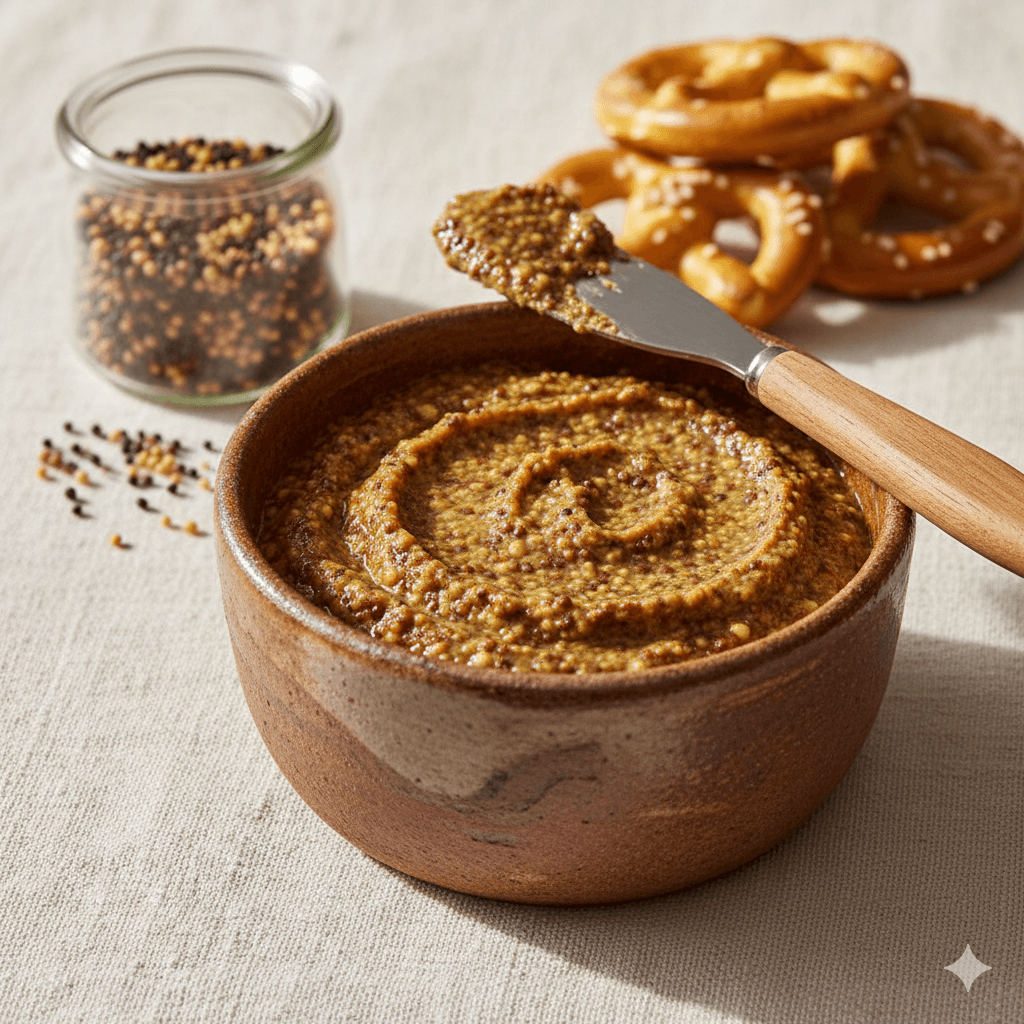
Final blend and adjust. After fermentation, taste the mustard. It should be tangy, sharp, and complex. Now blend again to your desired consistency — leave it chunky for whole-grain style, or blend until completely smooth for a Dijon-style mustard. Adjust salt, honey, or vinegar to taste. If it's too thick, thin with a little water or vinegar. Transfer to a clean jar and refrigerate.
🔥 Warning: fresh mustard is HOT
Freshly made mustard is extremely pungent and spicy — way more intense than what you're used to from a jar. Don't panic. This is completely normal. The heat mellows dramatically over the first 1–2 weeks in the fridge as the volatile compounds settle down. Taste it after a week and you'll notice a huge difference. Many people actually prefer to make their mustard and then wait a full week before using it.
💡 The longer it sits, the better it gets
Fermented mustard improves with age. The flavor at day 3 is good. At day 14 it's great. At a month it's incredible. The sharpness rounds out, the tang deepens, and everything just comes together. Be patient with it.
Variations
- Whole grain mustard — Skip the final blend entirely, or just give it a few quick pulses. Keep those seeds mostly intact for a beautiful, rustic texture. This is stunning on charcuterie boards.
- Smooth Dijon-style — Blend until completely smooth after fermentation, then strain through a fine-mesh sieve to remove seed hulls. Use mostly brown mustard seeds for a spicier, more “Dijon” profile. Replace the apple cider vinegar with white wine vinegar.
- Honey mustard — Double the honey (2 tablespoons) and add another tablespoon after fermentation for a sweet-tangy version that's incredible as a dipping sauce or salad dressing base.
- Beer mustard — Replace the water with a dark stout or porter for a malty, earthy mustard that pairs perfectly with sausages and pretzels. The alcohol cooks off during fermentation.
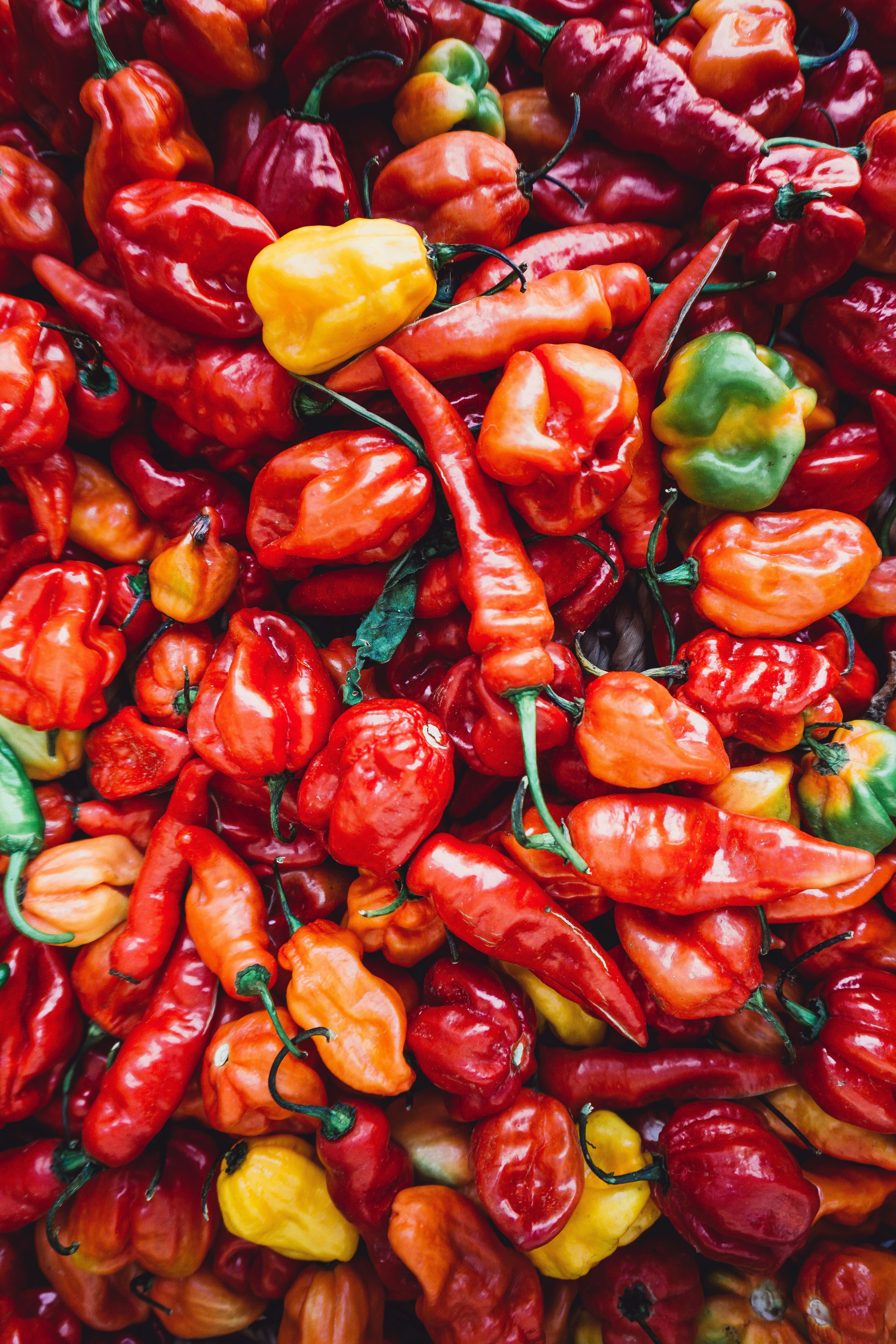
- Spicy mustard — Use all brown seeds, add 1/2 teaspoon cayenne or a minced habanero, and ferment for the full 7 days. Not for the faint of heart.
- Herb & garlic — Add 2–3 minced garlic cloves and a tablespoon of fresh herbs (dill, tarragon, or rosemary) before fermentation. Incredible on sandwiches.
Troubleshooting
The mustard is way too spicy
This is the most common “problem” and it's not really a problem at all. Freshly ground mustard seeds release isothiocyanates (the same compounds that make wasabi and horseradish hot), and they're at peak intensity right after blending. The solution is simple: wait. Refrigerate the mustard and taste again in 3–7 days. The heat will mellow significantly. You can also add more honey or a splash of cream to tame it.
It's too bitter
Bitterness usually comes from the seed hulls, especially with brown mustard seeds. Try straining the mustard through a fine-mesh sieve to remove the hulls. Adding a bit more honey or sugar also helps balance bitterness. For your next batch, try soaking the seeds longer (up to 24 hours) to soften the hulls more.
It's too thin / too thick
Too thin? Let it sit in the fridge uncovered for a few hours — mustard thickens as it rests. You can also blend in more soaked mustard seeds. Too thick? Add water, vinegar, or beer a teaspoon at a time until you hit your preferred consistency.
Nothing seems to be fermenting
Mustard ferments subtly — you might not see dramatic bubbling like you would with sauerkraut or hot sauce. Look for small bubbles, a slightly tangy smell, and a taste that's more complex than when you started. Make sure you're using non-iodized salt and non-chlorinated water, as both iodine and chlorine can inhibit fermentation.
There's mold on top
White film (kahm yeast) is harmless — skim it off and stir. Fuzzy or colored mold means something went wrong — discard and start over. To prevent mold, make sure the mustard stays submerged and stir daily during fermentation.
Uses for Fermented Mustard
Homemade fermented mustard is more versatile than you'd think:
- Sandwiches and burgers — the obvious one, but it's a genuine upgrade
- Salad dressings — whisk with olive oil, vinegar, and a pinch of salt for a quick vinaigrette
- Marinades — mix with olive oil and herbs for chicken, pork, or fish
- Charcuterie boards — whole grain mustard with cured meats and cheese is a classic
- Glazes — combine with honey and brush on salmon or roasted vegetables
- Deviled eggs — swap in your fermented mustard for a tangier, more flavorful version
- Pretzels — soft pretzels dipped in homemade mustard is a whole vibe
Storage
Once you're happy with the fermentation, seal the jar tightly and store in the fridge. Fermented mustard keeps for 3–6 months refrigerated, easily. The flavor will continue to evolve slowly over time — generally getting mellower and more rounded. If you notice it losing its punch after a few months, a tiny splash of fresh vinegar can brighten it back up.
You can also make large batches and give jars as gifts. A little jar of homemade whole-grain fermented mustard with a hand-written label? People go crazy for that.
🎯 Start simple, then experiment
Your first batch should be the basic recipe — just mustard seeds, vinegar, salt, and honey. Get a feel for the process and the baseline flavor. Then go wild with the variations on your second batch. Fermented mustard is very forgiving, and once you understand the basics, it's hard to mess up.
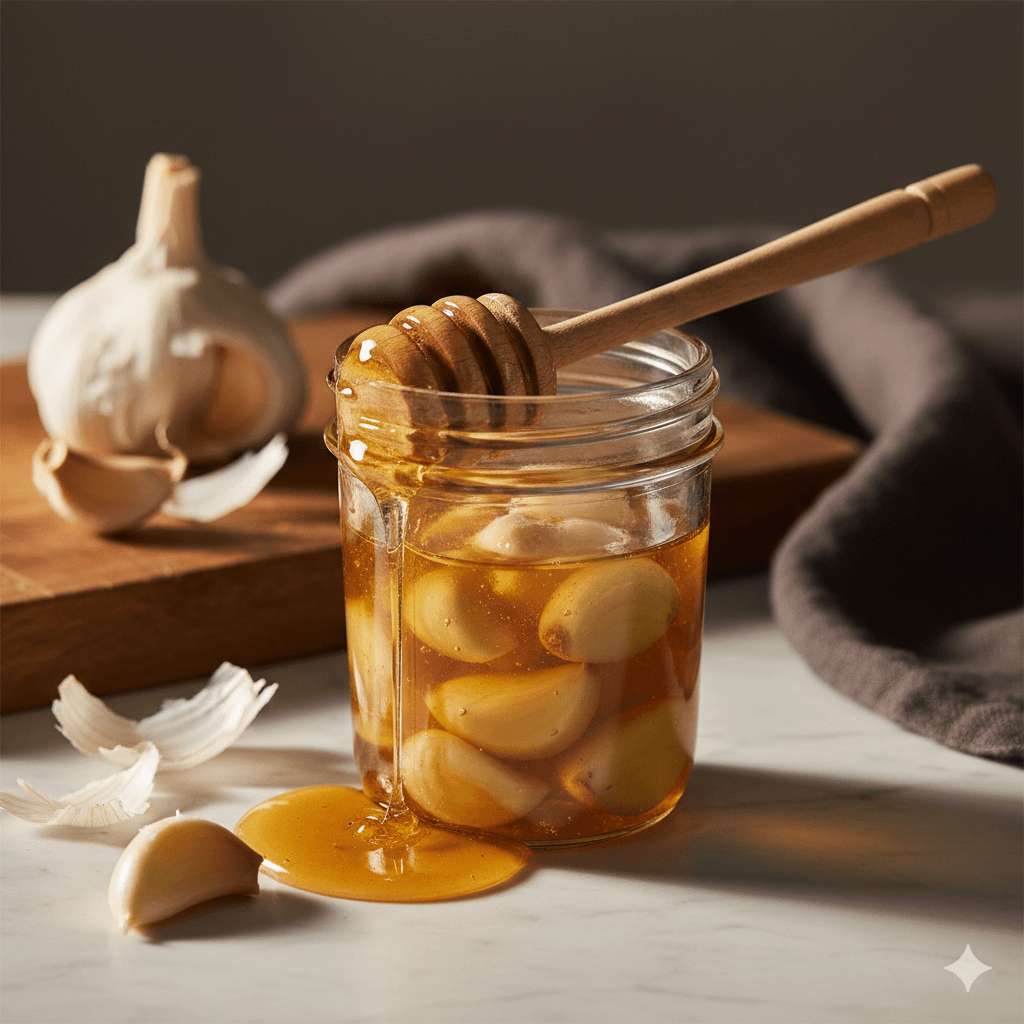
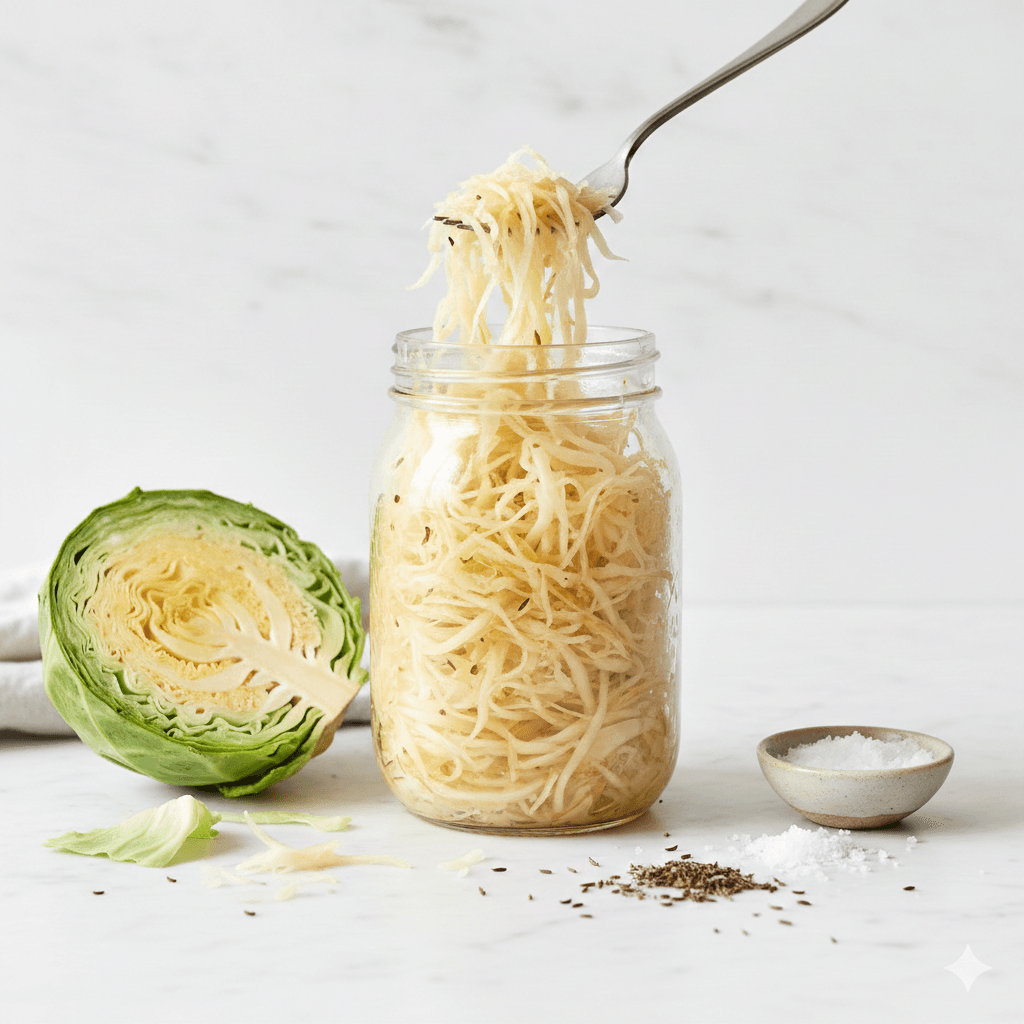
Looking for more fermented condiments to pair with your mustard? Fermented garlic honey is another jar condiment that transforms everyday dishes. For heat, fermented hot sauce uses the same lacto-fermentation principles. And if you're new to vegetable fermentation, homemade sauerkraut is the essential starting point.