The Process
Salt the cabbage. Cut the cabbage lengthwise into quarters, then chop into roughly 2-inch pieces. Toss with the salt in a large bowl, massaging it in with your hands. Let it sit for 1–2 hours, tossing every 30 minutes. The cabbage will wilt and release a surprising amount of liquid. This is good — the salt is pulling out water and creating the brine that'll protect your kimchi during fermentation.
Rinse and drain. After the cabbage has wilted, rinse it 2–3 times under cold water to wash off the excess salt. Taste a piece — it should taste pleasantly salty, like a well-seasoned salad. Drain well in a colander for 15 minutes. Squeeze out extra water gently.
Make the paste. While the cabbage drains, combine the gochugaru, garlic, ginger, fish sauce, and sugar in a small bowl. Mix into a rough paste. This is your flavor base — feel free to adjust the gochugaru up or down depending on how spicy you want it.
💡 Tip: Gochugaru matters
Don't substitute regular chili flakes for gochugaru. Korean red pepper flakes have a specific smoky-sweet flavor and a coarser texture that's essential to kimchi. You can find them at any Asian grocery store or order online. They keep for months in the freezer.
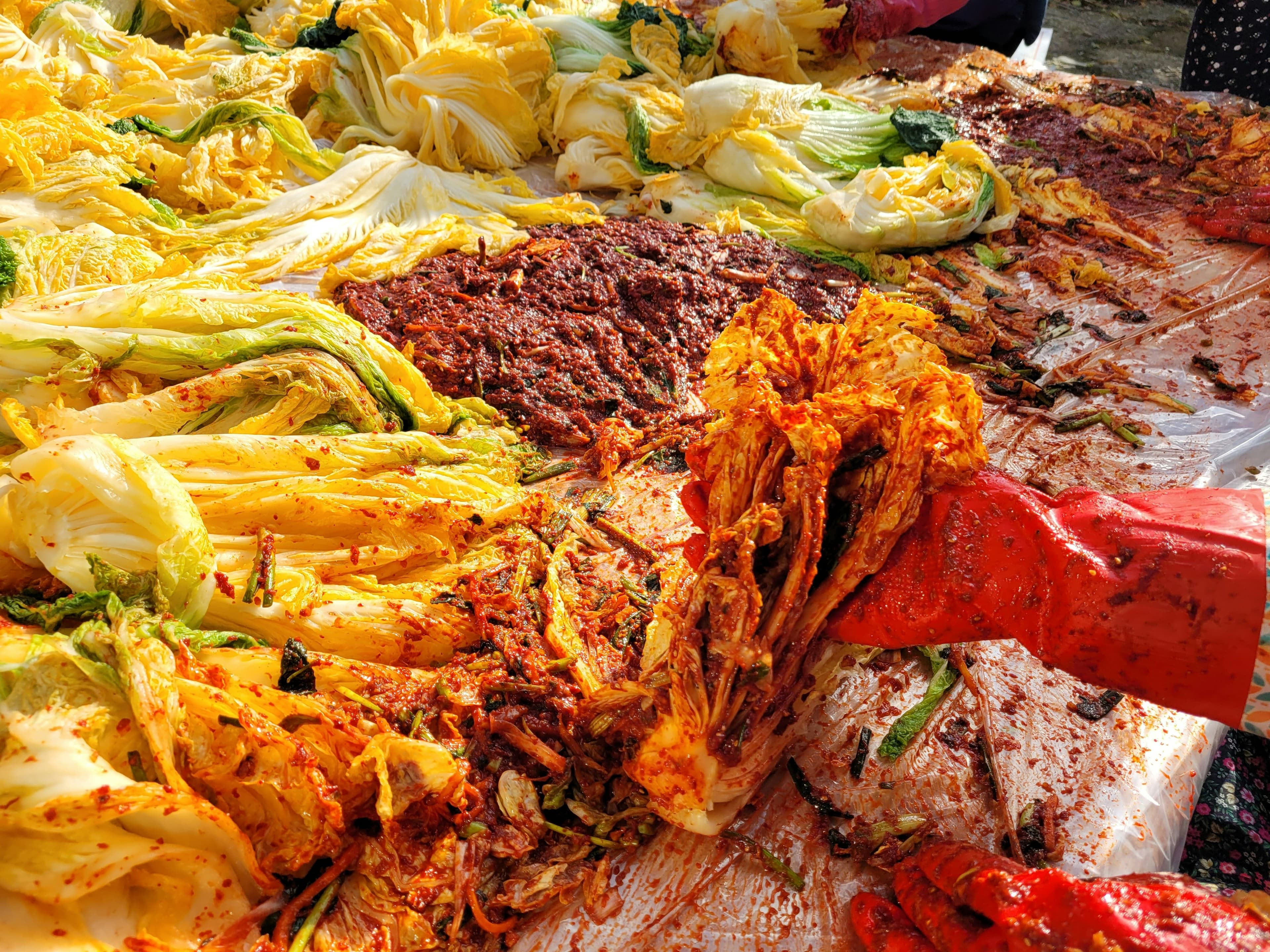
Mix everything together. Add the scallions and daikon to the drained cabbage. Add the paste and mix thoroughly with your hands (gloves recommended — gochugaru stains). Make sure every piece of cabbage is coated. It should look vibrant and red.
Pack it tight. Press the kimchi firmly into a clean mason jar, pushing down with your fist or a spoon to eliminate air pockets. The liquid should rise to cover the vegetables. Leave about an inch of headspace at the top — the kimchi will expand as it ferments and produce gas.
Ferment. Seal the jar loosely (don't screw the lid on tight — gas needs to escape) and leave it at room temperature, out of direct sunlight, for 3–5 days. “Burp” the jar once a day by opening the lid briefly. You'll see bubbles forming — that means it's working. Taste it daily starting on day 3. When it's tangy and funky enough for your liking, move it to the fridge.
How Long Does Kimchi Take to Ferment?
There's no single “done” moment — it's a spectrum. After 3 days at room temperature, you'll have a milder, fresher kimchi. At 5 days, it'll be tangier and more complex. Some people ferment for a week or more. Trust your taste buds. Once it hits the fridge, the fermentation slows dramatically but never fully stops, so the flavor will continue to deepen slowly over weeks.
Kimchi fermentation timeline:
- 1–2 days — barely fermented, tastes almost like fresh kimchi; some prefer this
- 3 days — lightly tangy, bright, mild funky notes
- 5 days — classic fresh kimchi flavor, good balance of sour and spice
- 1–2 weeks — fully sour, deeply funky; ideal for kimchi jjigae and fried rice
How to Make Vegan Kimchi (No Fish Sauce)
Traditional kimchi uses fish sauce or salted shrimp for umami depth. The good news: it's easy to make fully plant-based kimchi with swaps that genuinely work.
Fish sauce substitutes (use the same 1 tbsp amount):
- Soy sauce — the simplest swap; adds salt and umami, slightly different flavor profile
- Miso paste — 1 tsp miso mixed with 1 tsp water; adds depth and fermented complexity
- Kelp powder + soy sauce — 1/2 tsp kelp powder + 1/2 tbsp soy sauce; closest to fish sauce's oceanic quality
- Mushroom soy sauce — adds extra umami with a mushroom base
Vegan kimchi ferments just as well as traditional kimchi — the lactobacillus bacteria on the napa cabbage drive fermentation, not the fish sauce. The paste is purely flavor. Use the same fermentation process and timing as above.
Troubleshooting
It's not bubbling
Give it time — especially if your kitchen is cool (below 65°F / 18°C). Fermentation is slower in cooler temperatures. If nothing happens after 3–4 days, your salt ratio might be too high, which can inhibit the bacteria. Next time, use a bit less salt or rinse more thoroughly.
There's white stuff on top
A thin white film (called kahm yeast) is harmless. Scoop it off and carry on. It's not mold — it's just wild yeast that likes the surface. If you see fuzzy, colored mold (green, black, pink), discard the batch. This is rare if your vegetables stay submerged in brine.
It's too salty
You probably didn't rinse enough after the initial salt. You can still eat it — just use it in fried rice, stews, or kimchi jjigae where the extra salt works in your favor.
What to Do With Your Kimchi
- Eat it straight out of the jar (obviously)
- Top rice bowls, ramen, tacos, grilled cheese
- Make kimchi fried rice — the single best use of older, super-funky kimchi
- Blend it into a marinade for chicken or pork
- Chop it into a Korean-style pancake (kimchi-jeon)
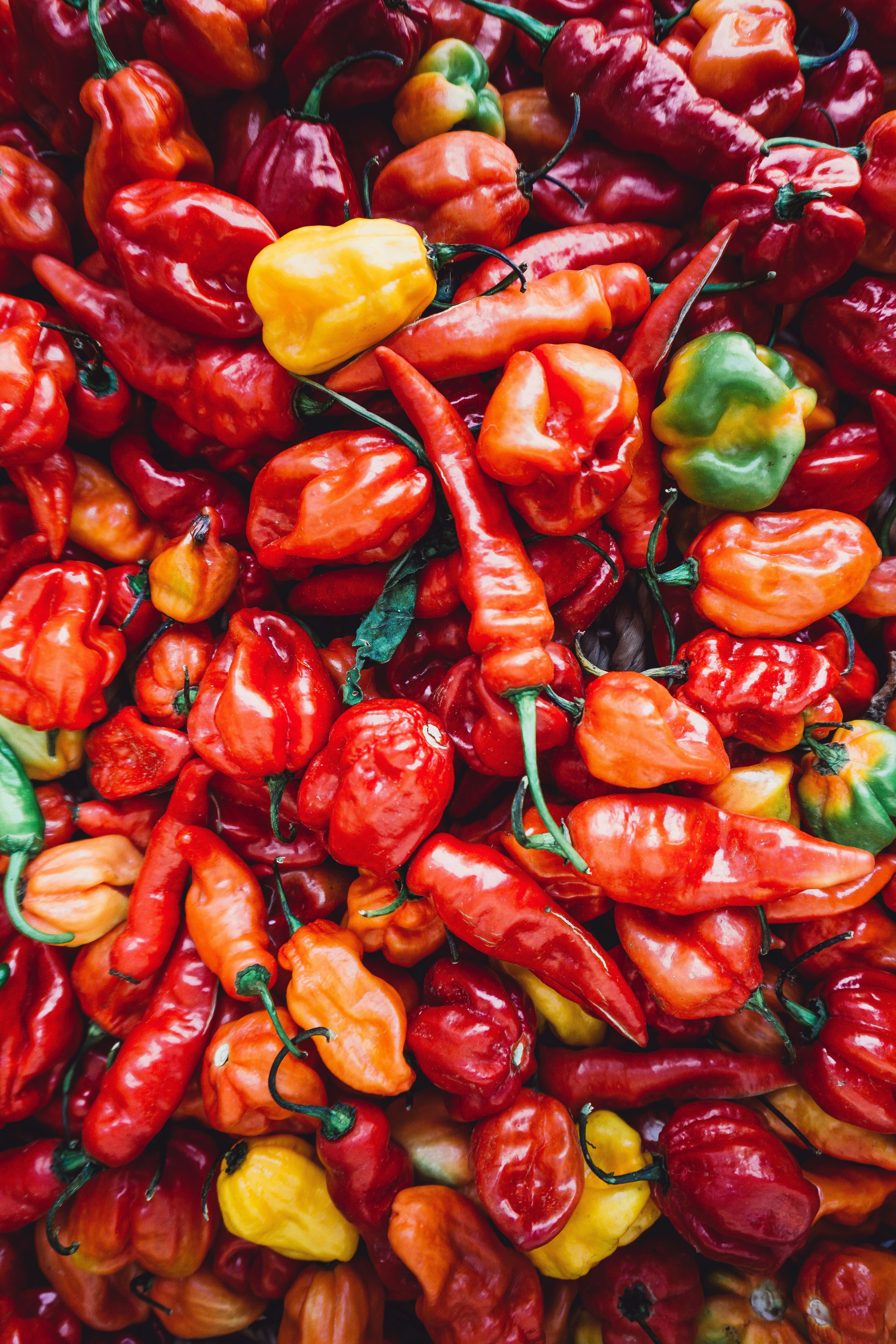
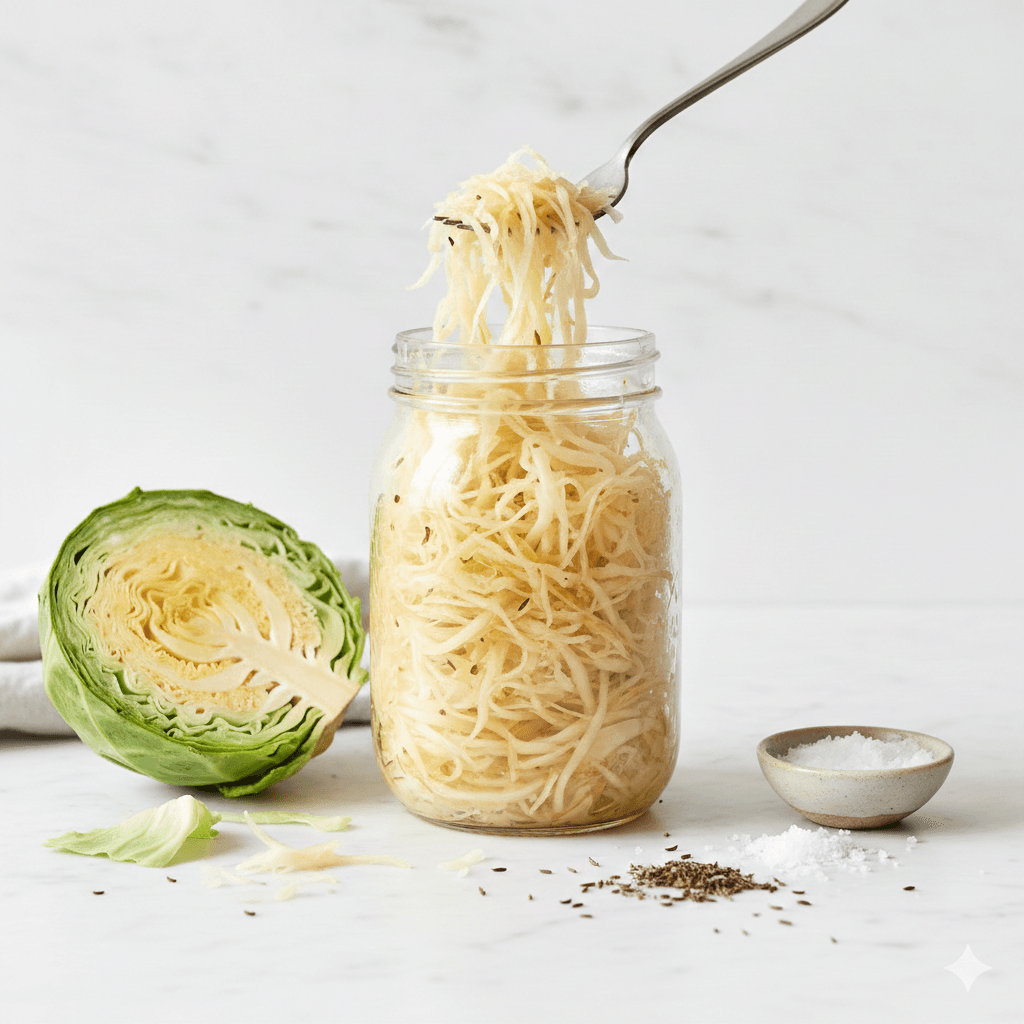
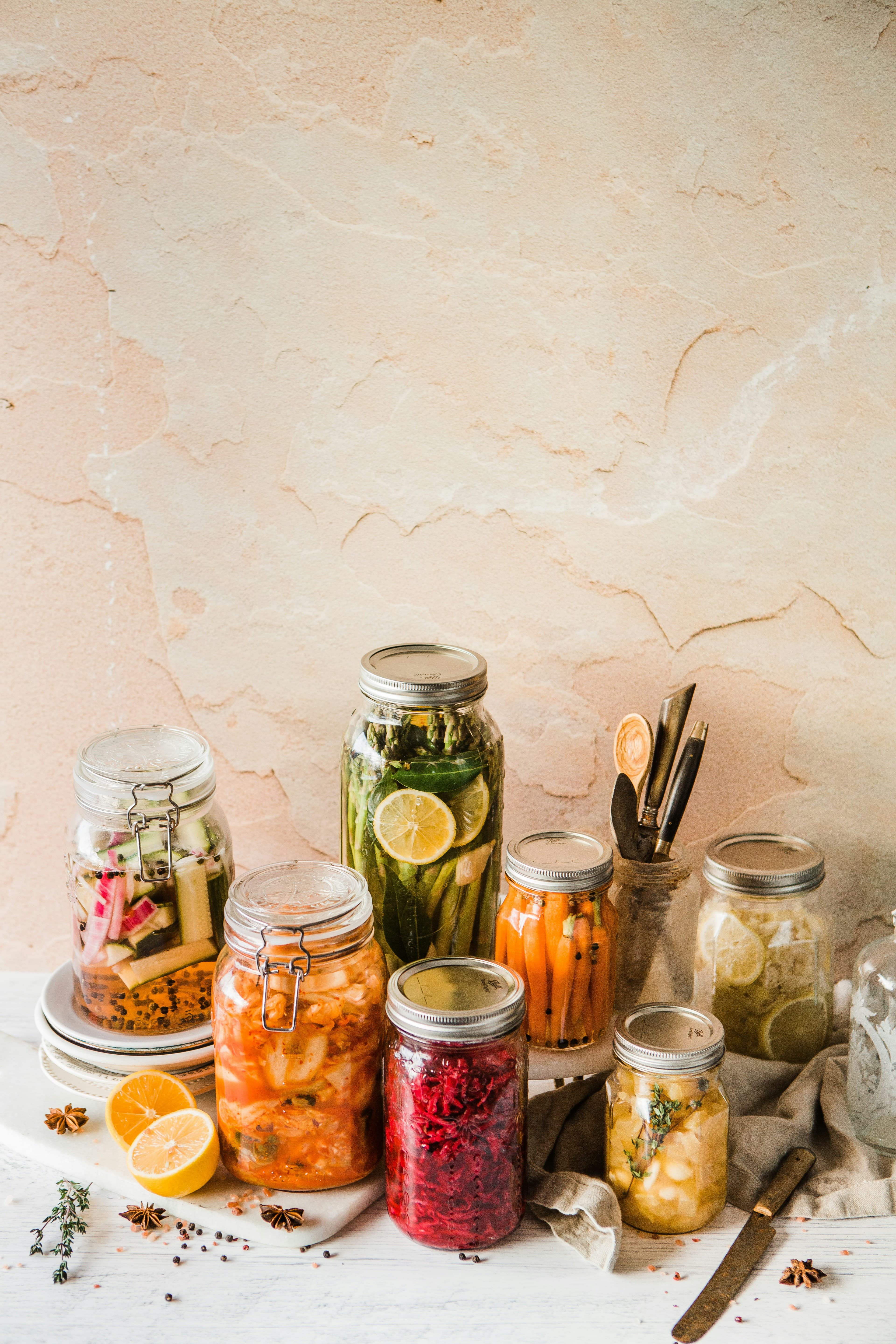
Love making fermented vegetables? Try homemade sauerkraut (the simplest ferment there is) or fermented hot sauce as your next project. For help with issues like kahm yeast and mushy vegetables, see our vegetable fermentation troubleshooting guide.
🧊 Storage
Kimchi keeps in the fridge for months. It gets more sour over time, which is a feature, not a bug. Older kimchi is actually preferred for cooking. Fresh kimchi is best for eating raw.