There's a lot of sourdough snobbery out there. Before we get into this, let's be honest: commercial yeast is a perfectly fine way to bake bread. It's reliable, fast, and cheap. If you're making sandwich bread for the week, instant yeast is completely reasonable.
That said, sourdough starter does produce a genuinely different loaf — and understanding the difference helps you decide whether maintaining a starter is worth it for you.
What They Actually Are
Commercial yeast is a single strain of Saccharomyces cerevisiae — a specific yeast species bred for predictable, fast fermentation. Buy it, add it to dough, it rises. Done.
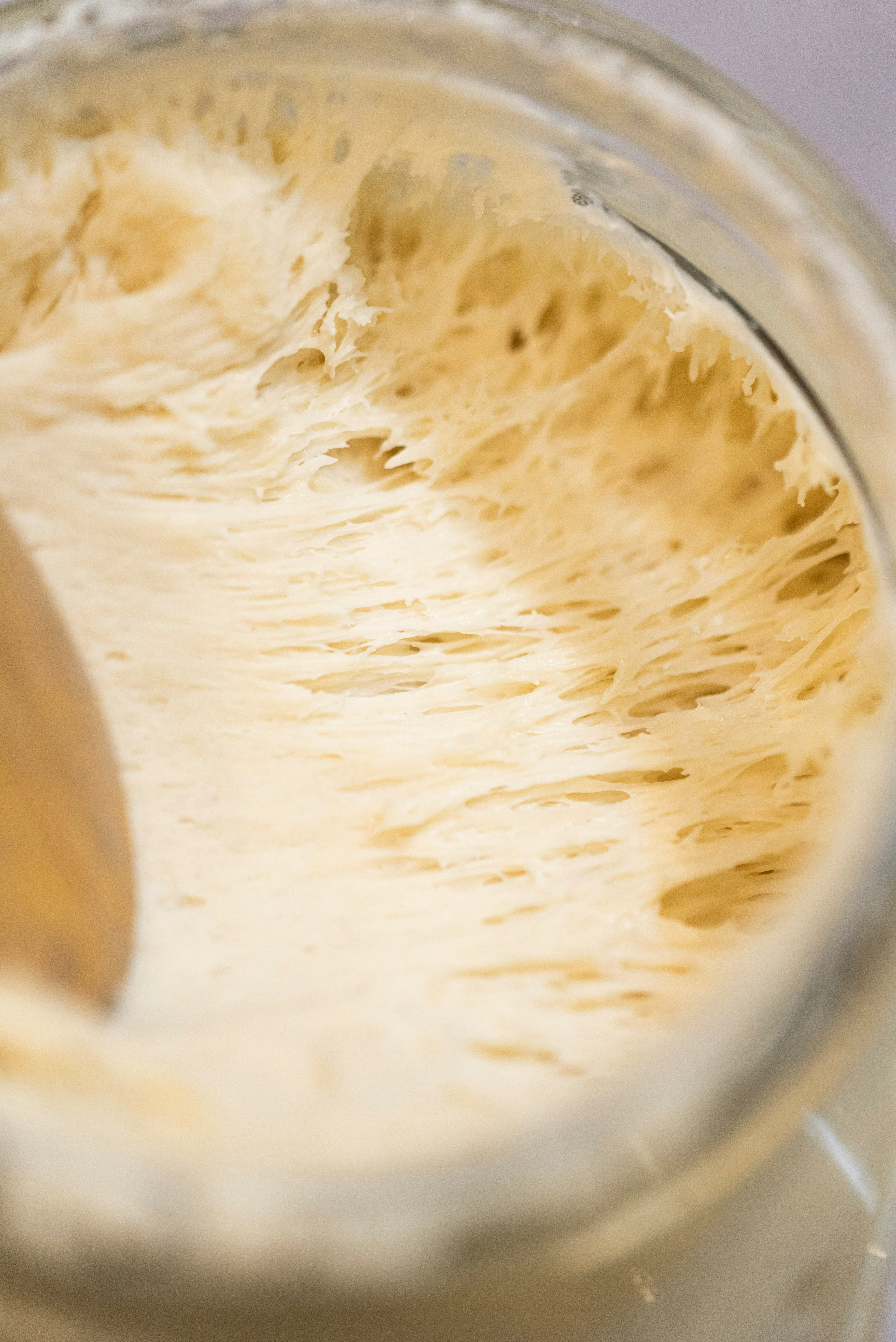
Sourdough starter is a living ecosystem: a mix of wild yeasts (multiple strains) and lactic acid bacteria (LAB) that you cultivate over time. The wild yeasts do the leavening work. The bacteria produce lactic and acetic acids, which create the sour flavor and contribute to texture, shelf life, and digestibility.
This is the core difference: commercial yeast is a single-purpose leavener. A sourdough starter is a complex fermentation culture that does several things at once.
Flavor
This is where the real gap is. Commercial yeast produces CO2 for rise, and that's about it. The flavor of a commercial-yeast loaf comes almost entirely from the flour and any fats or enrichments you add.
Sourdough starter produces lactic acid (mild, yogurt-like tang) and acetic acid (sharper, vinegar-like tang) depending on hydration and fermentation time. It also produces complex flavor compounds during the long fermentation window that simply don't develop with a 2-hour commercial yeast rise.
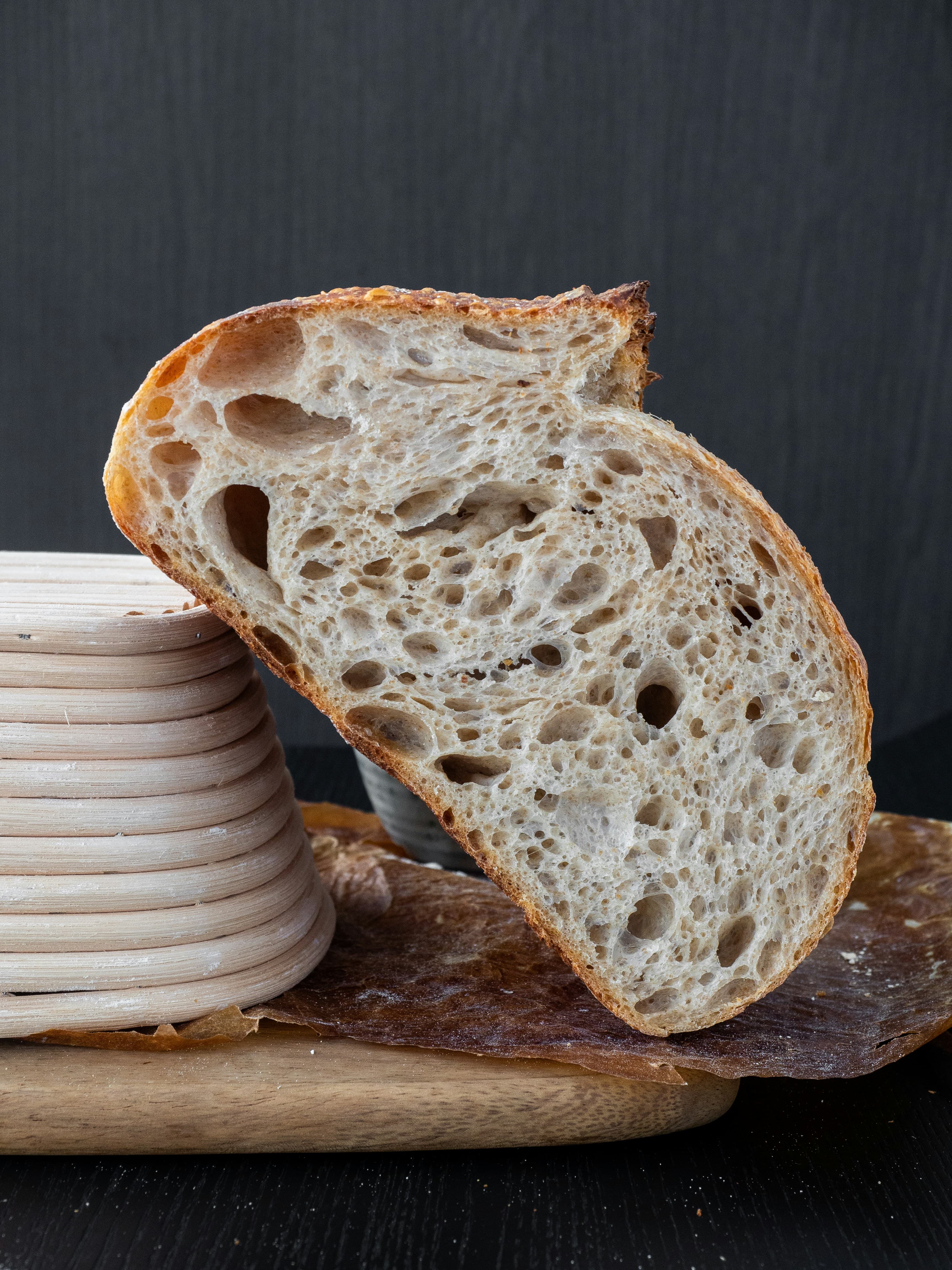
The result: sourdough has a depth, chew, and complexity that you cannot replicate with commercial yeast. The crust is different. The crumb is different. The way it tastes a day later is different.
Health and Digestibility
Long fermentation — which sourdough requires — gives the bacteria more time to break down phytic acid, an antinutrient found in grain that can interfere with mineral absorption. It also partially breaks down gluten proteins and changes the structure of starches in ways that some people find easier to digest.
The research here is real but modest. Sourdough is not a cure for gluten sensitivity, and the differences in glycemic response are smaller than popular claims suggest. But fermented bread is genuinely different at a biochemical level from fast-risen commercial yeast bread.
Convenience and Cost
Commercial yeast wins here, clearly. You can go from flour to baked loaf in 3–4 hours. A packet of instant yeast costs almost nothing.
Sourdough starter requires maintenance: feeding flour and water every few days (or once a week if you refrigerate it). Once you have an active starter, a typical sourdough bake takes 24–36 hours from mixing to oven — most of that is hands-off fermentation, but it requires planning.
On cost: once your starter is established, it costs almost nothing to maintain — just flour and water. The starter itself can last indefinitely. Bakers have starters that are decades old.
Should You Use a Starter?
Use commercial yeast if: you want to bake bread quickly, you're new to bread baking and want consistent results, or you bake occasionally and don't want the maintenance overhead.
Use sourdough starter if: you bake regularly and want the best possible flavor, you're interested in fermentation as a practice, or you're the kind of person who enjoyed reading this far.
The good news: you can have both. Many bakers use commercial yeast for quick weeknight pizza dough and their starter for weekend loaves. There's no commitment required.
Ready to start a starter?
It takes about 7 days and costs almost nothing. Our sourdough starter guide walks you through every step. Once you're active, check out our first sourdough loaf guide and sourdough discard recipes so nothing goes to waste.