The hardest part of getting into fermentation is often just deciding what to make first. There are so many options — and a lot of fermentation content online makes it sound more complicated than it is.
Here's the honest framework: pick based on what you actually want to eat or drink, how much time you have, and how much equipment you want to buy (spoiler: almost none). If you want a deeper foundation first, read our complete beginner's guide to fermentation.
The Fastest Projects (Ready in 2–5 Days)
If you want to see results fast and build confidence, start here:
Tepache — Fermented pineapple drink. Pineapple peels, sugar, spices, 2–3 days. It looks like magic and tastes like craft soda. Almost impossible to mess up. See the tepache guide.
Fermented salsa — Standard salsa ingredients, 2–3 days on the counter. The result is noticeably more complex than regular salsa. Great for skeptics in your household who need convincing. See the fermented salsa guide.
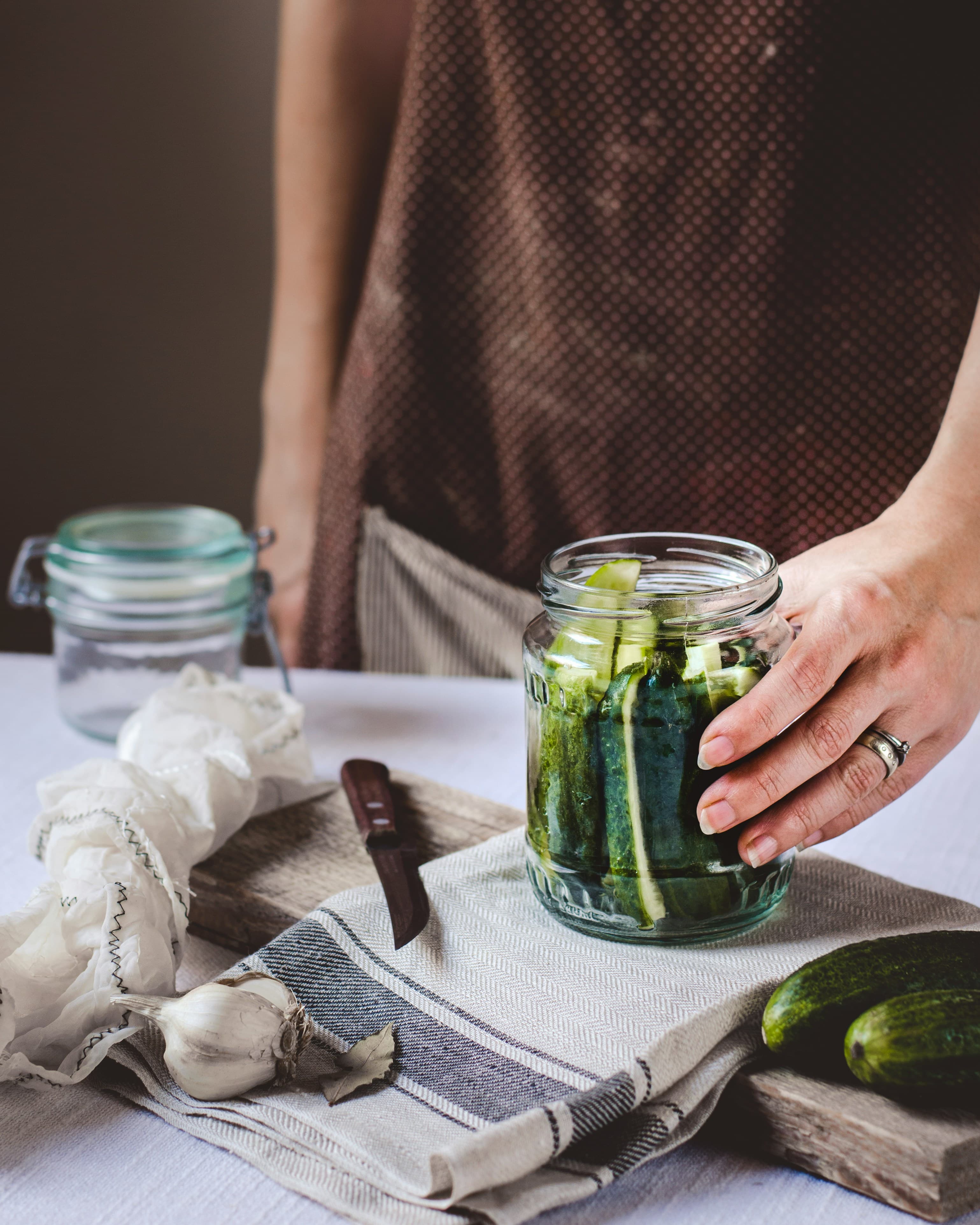
Fermented pickles — Cucumbers, salt brine, garlic, dill, 3–5 days. Genuinely one of the most satisfying fermentation experiences you can have — the contrast with vinegar pickles is remarkable. See the fermented pickles guide.
The Classic Beginner Projects (1–4 Weeks)
These take longer but are equally forgiving and have huge payoff:
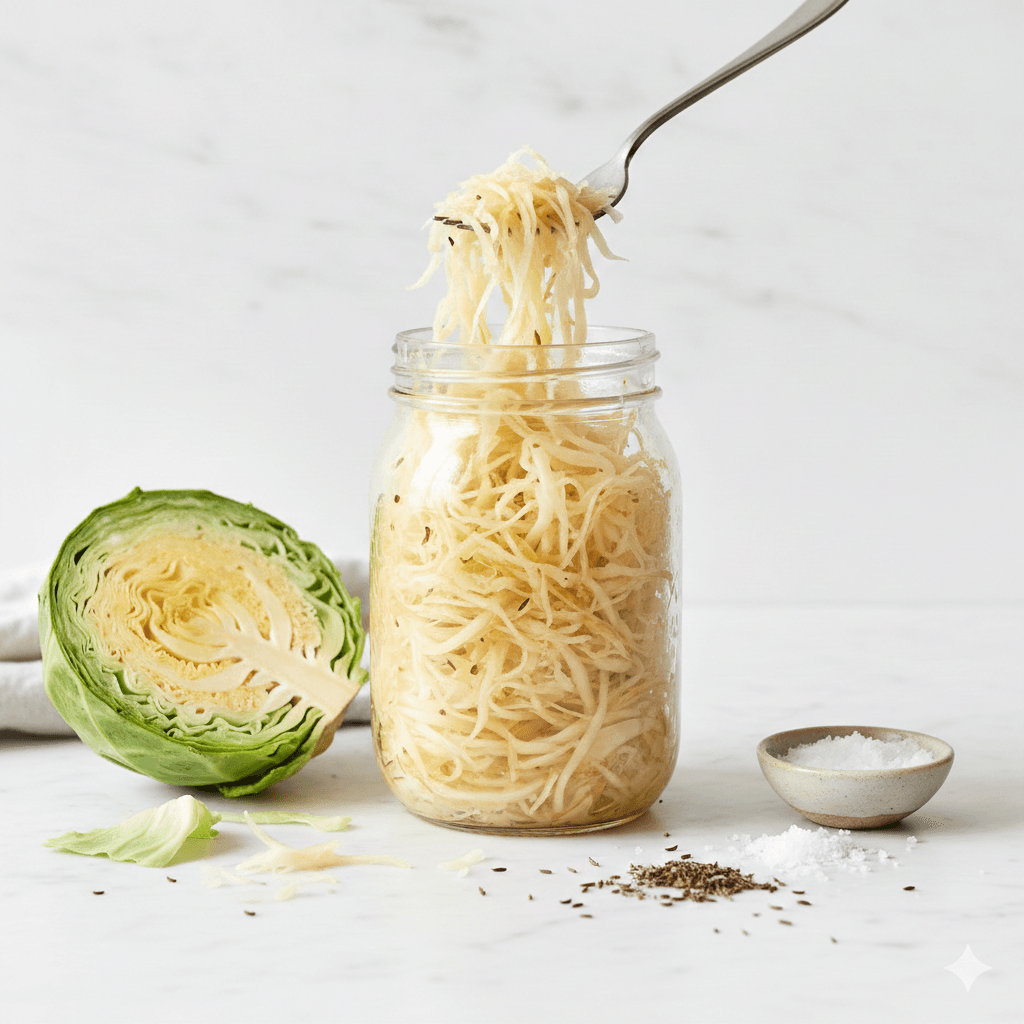
Sauerkraut — Two ingredients (cabbage and salt), one jar, and a week of patience. The simplest ferment there is. A perfect first project for anyone who wants to understand how lacto-fermentation actually works. See the sauerkraut guide.
Fermented garlic honey — Three ingredients, ten minutes of work, 1–4 weeks of waiting. The result is one of the most addictive condiments you'll ever make. Also a great gift. See the garlic honey guide.
If You Want a Probiotic Drink
Water kefir is the fastest probiotic drink you can make: 48 hours, fizzy, and endlessly customizable. You'll need water kefir grains (available online), but once you have them, they last indefinitely and you can brew every 2 days. See the water kefir guide.
Kombucha takes longer (7–14 days) and requires a SCOBY, but it's the most popular fermented drink for a reason. The flavor range is enormous, and once you're set up, the ongoing cost is almost nothing. See the kombucha guide.
If You Love Baking
Start a sourdough starter. It takes about 7 days of daily feeding, costs almost nothing, and opens up an entire world of fermented baking. Once your starter is active, you can bake bread, pancakes, crackers, pizza dough, and more — all from the same culture you maintain indefinitely. See the sourdough starter guide.
What Equipment Do You Need?
For the projects above, you need almost nothing: a mason jar, non-iodized salt, and the ingredients. That's it for sauerkraut, pickles, salsa, tepache, and garlic honey.
For vegetable ferments, adding glass fermentation weights helps keep vegetables submerged under the brine, which prevents mold. They're not required but make things easier and are cheap.
Our recommended tools page covers everything with honest prices and no upsells.
The Real Answer
Pick the project that produces something you actually want to eat or drink. If you love hot sauce, make fermented hot sauce. If you drink kombucha every week anyway, learn to brew your own. The best first ferment is the one you'll actually finish.
Our honest recommendation
Start with sauerkraut. Two ingredients, one jar, one week. It teaches you every fundamental concept in lacto-fermentation — brine, anaerobic environment, fermentation signs — and the result is something you can use every day. From there, everything else makes sense.