Winter might seem like an odd time to ferment, but it's actually ideal. Your kitchen is warm from cooking, the slow pace of shorter days matches the patience fermentation requires, and there's nothing like opening a jar of something you made yourself when it's cold outside.
Here are five projects that work beautifully in winter — each one uses pantry staples or easy-to-find ingredients, and none require special equipment. If you're brand new, our guide to fermenting at home covers everything you need to know before diving in.
1. Sauerkraut
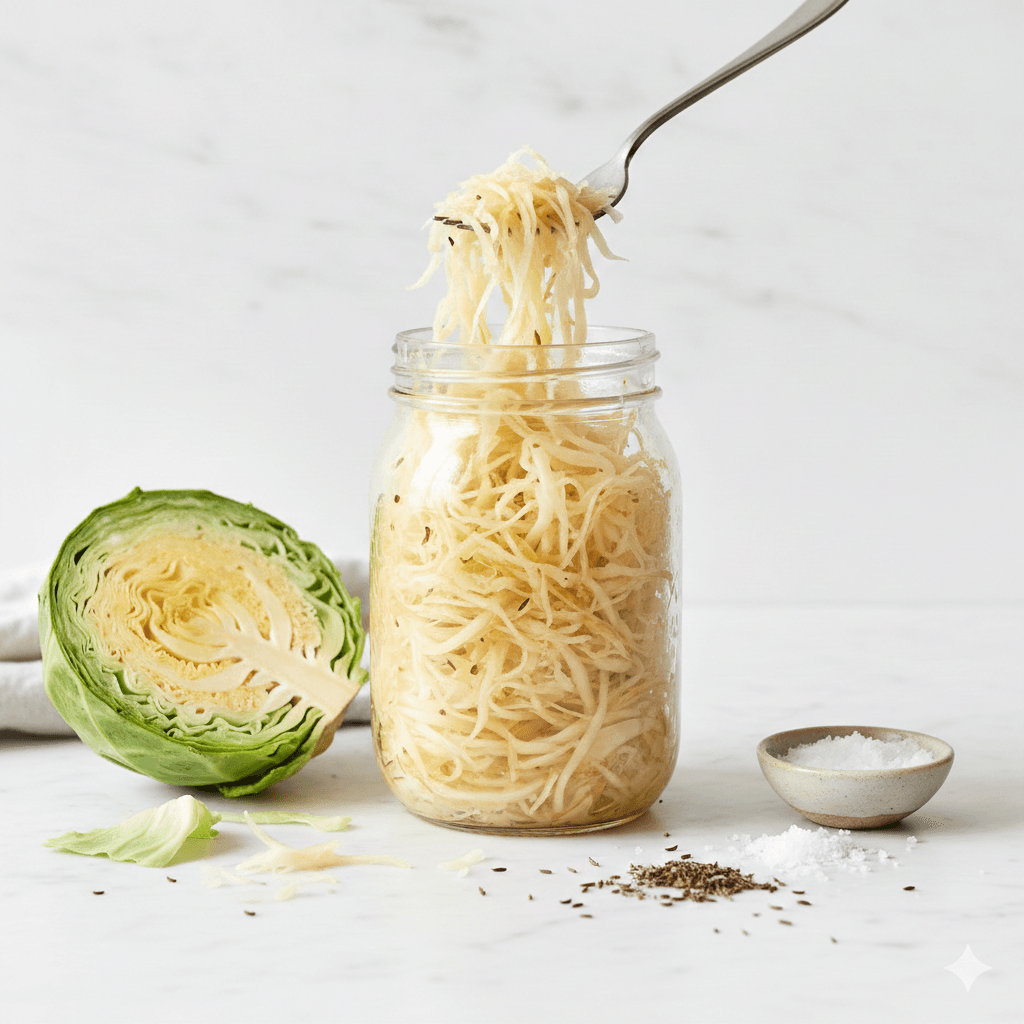
The quintessential beginner ferment, and winter is when cabbage is at its best. You need exactly two ingredients: cabbage and non-iodized sea salt. A cool kitchen (65–70°F) slows fermentation just enough to develop deep, complex flavor over 3–4 weeks.
A slower ferment means a tangier, more layered sauerkraut. If your kitchen runs warm, that's fine too — it'll just be ready a bit sooner.
Get the full sauerkraut guide →
2. Fermented Garlic Honey
Three ingredients. Ten minutes of active work. Then you wait — and the result is one of the most addictive condiments you'll ever make. Fermented garlic honey is sweet, funky, slightly spicy, and incredibly versatile. Drizzle it on pizza, stir it into salad dressing, or eat it straight off the spoon when you feel a cold coming on.
Winter is perfect for this because it's a long, slow ferment (1–4 weeks) that rewards patience. Start a jar now and it'll be ready right when you need it most.
Get the full garlic honey guide →
3. Sourdough Starter
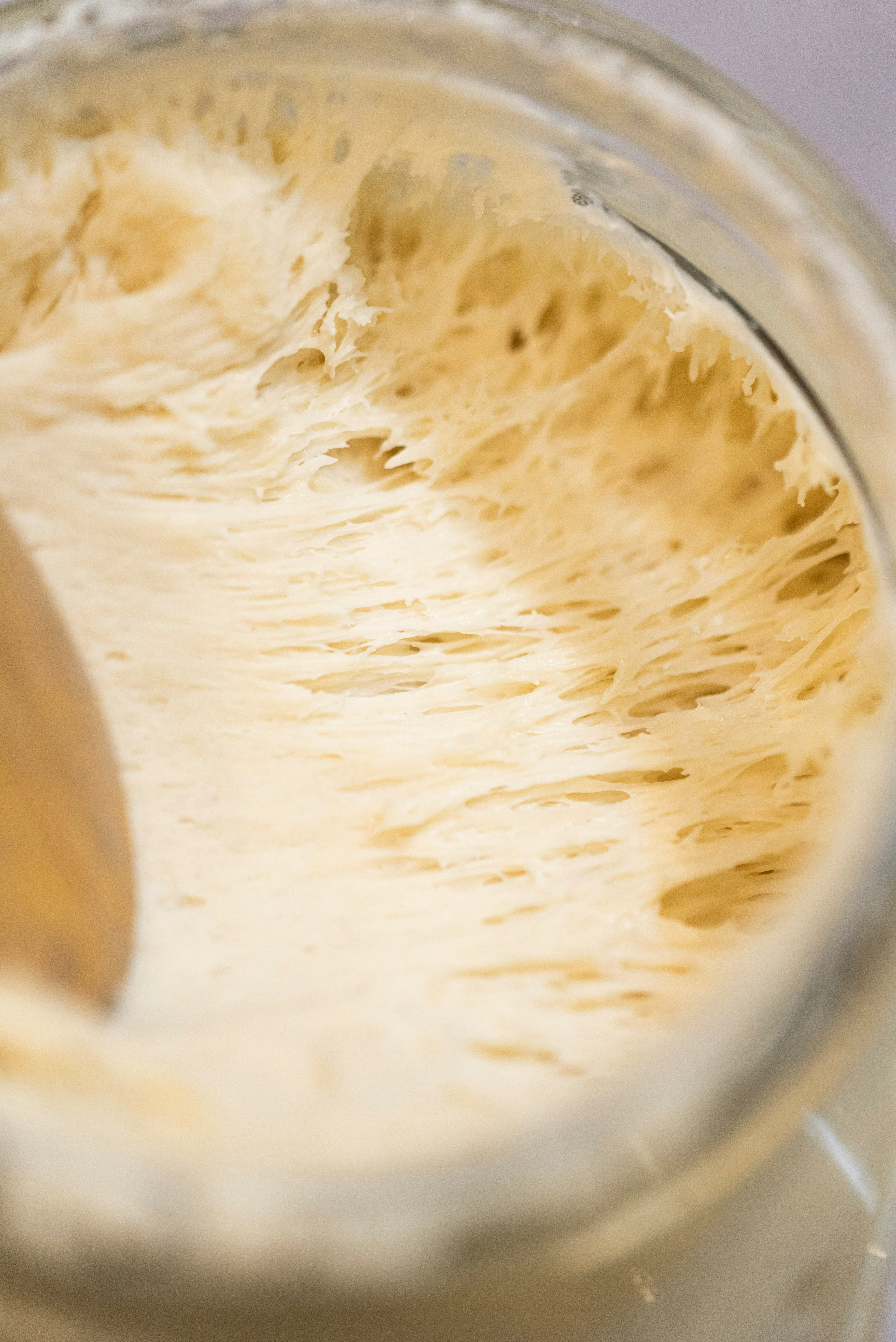
If you've been putting off starting a sourdough starter, winter is the time. You're home more, you're already baking, and the daily ritual of feeding flour and water is genuinely meditative when it's dark at 4:30 pm.
A starter takes about 7 days to get going — all you need is good bread flour and water. Once it's active, you can bake bread every week and use the discard for pancakes, crackers, and pizza dough.
Get the full sourdough starter guide →
4. Kimchi
Kimchi is one of those projects that feels ambitious but is actually straightforward. Napa cabbage, gochugaru (Korean chili flakes), garlic, ginger, fish sauce, and a little sugar. You can find all of these at a well-stocked grocery store or order online.
Winter kimchi ferments slowly and keeps beautifully in the fridge for months. Make a big batch and you'll have a ready-made side dish, soup ingredient, and fried rice upgrade all season long.
5. Miso
This is the long game — and winter is traditionally when miso is started in Japan. You'll need soybeans, koji (available online), and salt. The active work takes a couple of hours, and then the miso ferments for 3–12 months.
Start it now, forget about it, and open it next fall. The payoff is extraordinary: homemade miso has a depth and sweetness that store-bought can't touch. It's the ultimate slow food project.
The Common Thread
All five of these projects share something: they reward slowness. Winter gives you the cool temperatures, the long evenings, and the mindset to let things develop at their own pace. They're also a great way to experience the health benefits of fermented foods firsthand. Pick one, pick three, or try all five — there's no wrong way to start.
New to fermentation?
If this is your first time, start with sauerkraut or garlic honey. Both are nearly impossible to mess up, and the results are incredible. Check out our beginner's guide for the fundamentals, and our recommended tools page for everything you need to get started.