Most fermentation problems are recognizable, diagnosable, and fixable — once you know what you're looking at. This guide covers the most common issues across all types of home fermentation: vegetable ferments, sourdough, kombucha, kefir, and more. Use it as a reference when something looks or tastes wrong.
One important note before diving in: most things that look alarming in a fermentation jar are harmless. Cloudy brine, surface films, bubbles, unusual smells during active fermentation — these are usually signs that fermentation is working, not that something has gone wrong. The problems worth genuinely worrying about are fewer than you think.
Problem 1: White Film on the Surface
What it is: Almost certainly kahm yeast — a harmless wild yeast that forms a thin, flat white film on the surface of fermented vegetable brines. It looks alarming but is not mold and will not make you sick.
How to tell the difference from mold: Kahm yeast is flat, white or cream-colored, and lies against the surface of the liquid. Mold is raised, fuzzy, and may be green, black, pink, or orange. If you see fuzzy patches, that's mold — see Problem 2.
What to do: Skim the kahm yeast off with a spoon and discard it. The ferment underneath is fine. Kahm yeast is a sign the fermentation is slowing down (usually because the pH has dropped enough to inhibit bacteria) or that the temperature was too warm. It often appears when fermentation is nearly complete.
Prevention: Keep vegetables fully submerged below the brine. Use fermentation weights to keep everything below the surface. Lower fermentation temperatures also reduce kahm yeast formation.
Problem 2: Visible Mold
What it is: True mold — fuzzy, raised, and potentially colored (green, black, pink, or orange). This is different from kahm yeast and requires a different response.
What to do: If the mold is on the surface only (on a piece of floating vegetable or the jar rim) and has not penetrated below the brine line, you may be able to remove the affected piece and continue fermenting. However, if mold appears on submerged vegetables or there is any doubt about penetration, discard the batch. The risk is not worth it.
Why it happened: Mold in vegetable ferments is almost always caused by vegetables floating above the brine and contacting air. The solution is simple: keep everything submerged. Use a fermentation weight consistently and it becomes rare.
For vegetable ferments, also see our vegetable fermentation troubleshooting guide.
Problem 3: No Bubbles — Fermentation Seems Stalled
Signs: No visible bubbles, brine hasn't clouded, no activity after 48+ hours.
Common causes:
- Too cold. Fermentation slows dramatically below 60°F and may appear stalled. Move the jar to a warmer spot — the top of the refrigerator, inside a cabinet near the oven, or anywhere consistently above 65°F.
- Iodized salt. Iodized table salt inhibits the bacteria that drive fermentation. Switch to non-iodized sea salt, kosher salt, or pickling salt. See our salt for fermentation guide.
- Chlorinated water. Tap water chlorine kills beneficial bacteria. Always use filtered or non-chlorinated water.
- Too much salt. Very high salt concentrations (above 3%) inhibit fermentation significantly. If you think you may have over-salted, dilute by adding more filtered water.
Note that visible bubbles aren't always necessary — slow ferments at cool temperatures produce less CO₂ than warm ones. A clouding brine and a developing tangy smell are more reliable indicators than bubbles.
Problem 4: Ferment Smells Wrong
This is nuanced, because fermentation smells — especially early on — can be unfamiliar and alarming to beginners.
- Sour, tangy, wine-like, or slightly cheesy smells are all normal. These are the products of lactic acid fermentation working correctly.
- Yeasty or bread-like smell is normal for sourdough, beer, and wine ferments. It can appear in vegetable ferments too, usually when wild yeasts are present.
- Rotten, putrid, or fecal smell is not normal and indicates undesirable bacteria. This is usually caused by too little salt or contaminated equipment. Discard and start fresh.
- Chemical or cleaning-product smell can indicate chlorine from tap water or residue from dish soap. Rinse equipment thoroughly and use filtered water.
Problem 5: Vegetables Are Too Soft or Mushy
Soft fermented vegetables are almost always caused by one of four things: too much salt, too little salt, over-fermentation, or old produce.
For sauerkraut specifically, see our dedicated post on why sauerkraut goes soft. The principles apply to most other vegetable ferments as well.
The quick version: use fresh, firm produce; use 2% salt by weight; ferment at 65–72°F; and move to the fridge as soon as the flavor is right. Adding tannins (a grape leaf, a few black tea leaves) also helps preserve crunch by inhibiting pectin-degrading enzymes.
Problem 6: Sourdough Starter Won't Become Active
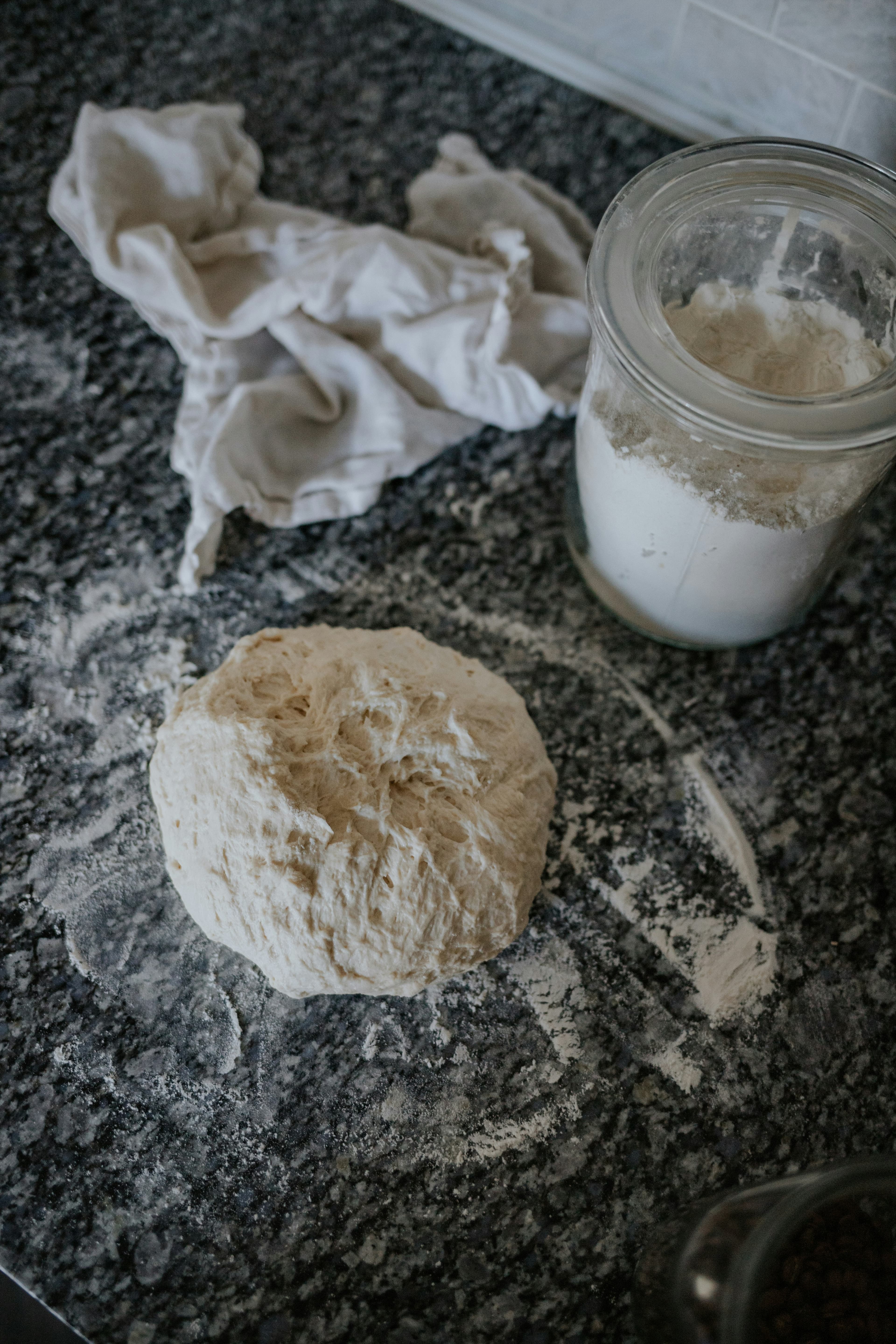
New sourdough starters often look sluggish for the first few days — this is normal. The wild yeast and bacteria in the flour need time to establish themselves.
- Too cold. Sourdough starters are temperature-sensitive. Keep at 75–80°F for fastest results. A cold kitchen (below 68°F) can delay activity by several days.
- Wrong flour. Whole wheat and rye flours establish starters much faster than white flour, because they contain more wild yeast and bacteria on the bran. If your starter is sluggish, add a tablespoon of whole wheat or rye flour.
- Chlorinated water. Use filtered water. Chlorine kills the organisms you're trying to cultivate.
For a full day-by-day new starter troubleshooter, see our sourdough starter troubleshooting guide.
Problem 7: Kombucha Is Too Sour or Too Sweet
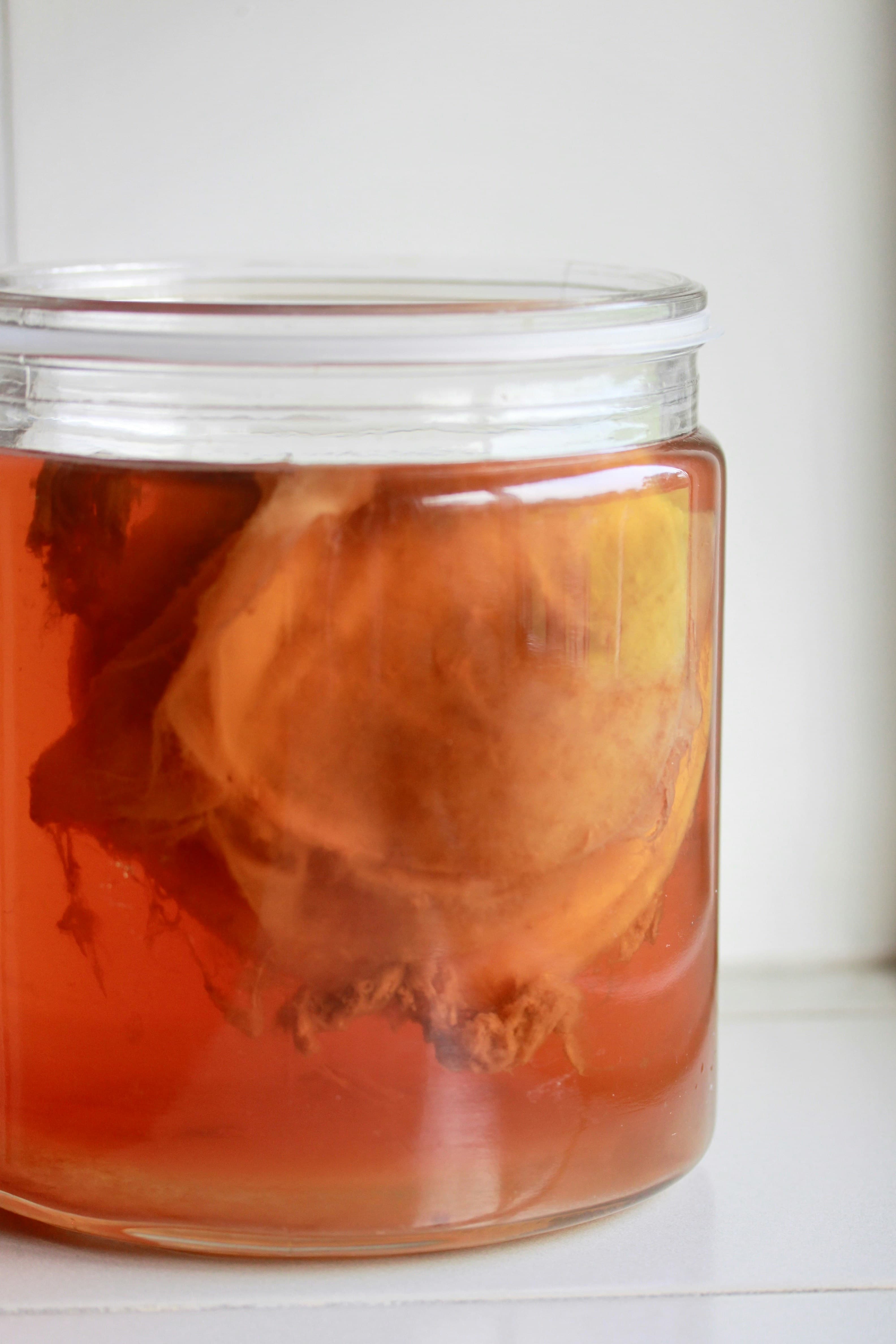
- Too sour: Over-fermented. Reduce first fermentation time by 1 to 2 days, or move to a cooler location. Also check that your SCOBY isn't too large — a bigger SCOBY ferments faster.
- Too sweet: Under-fermented. Let it go another day or two. Warmer temperatures also speed up fermentation if you're working in a cold kitchen.
For kombucha-specific issues, see our kombucha troubleshooting guide, which covers SCOBY health, carbonation problems, and more.
Problem 8: Fermented Vegetables Are Too Salty
Too salty usually means too much salt was used, or the fermentation period was too short (the finished product still tastes raw and briny).
For finished vegetable ferments that are too salty: rinse before eating to remove surface salt. For the underlying batch, dilute with a small amount of filtered water, wait another few days, and taste again — continued fermentation often balances the saltiness as acids develop.
Problem 9: Floating Vegetables (Not Submerged)
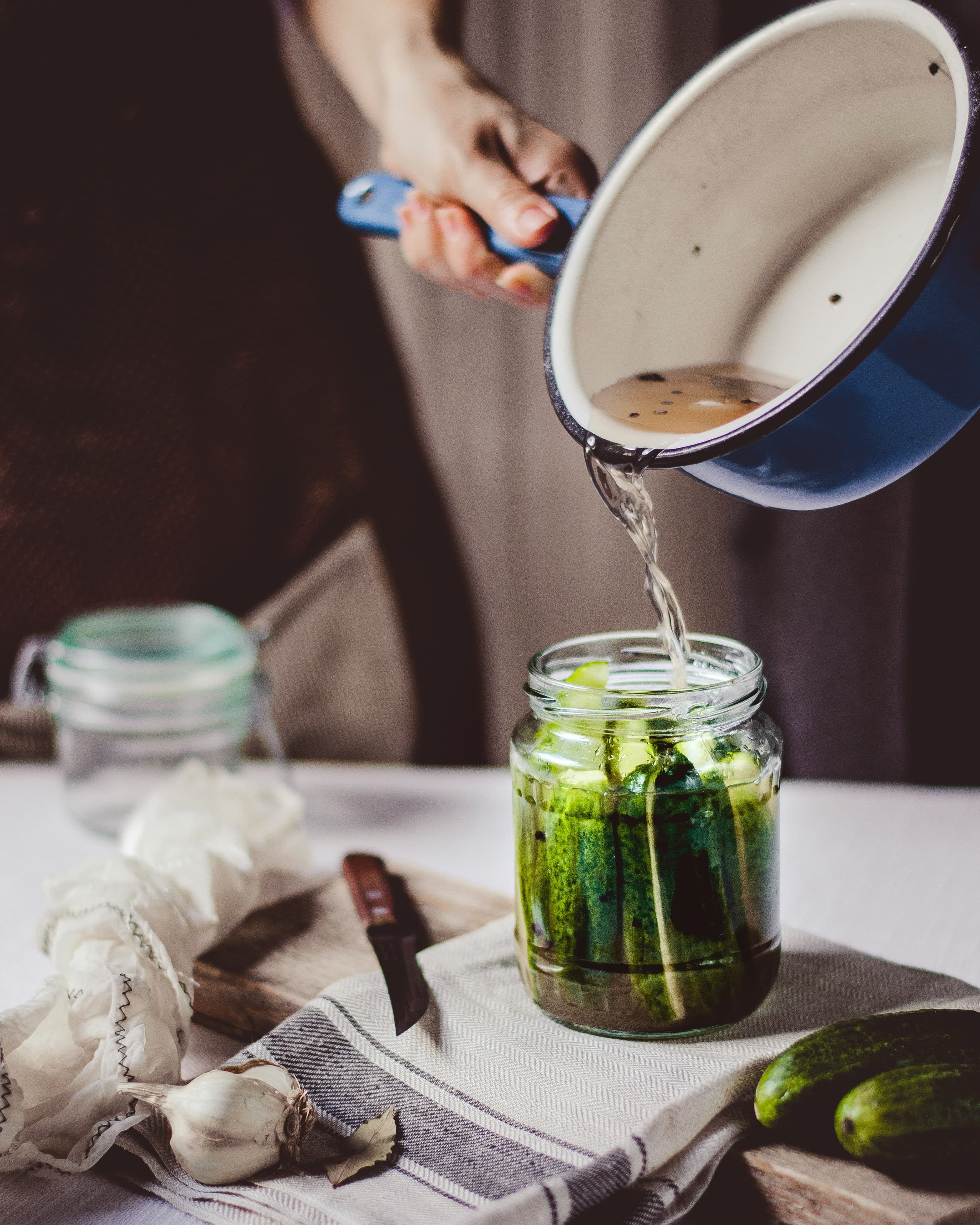
Floating is one of the most common problems in vegetable fermentation and the root cause of most mold issues. Vegetables naturally float because they're less dense than water.
Solutions:
- Use a glass or ceramic fermentation weight designed for the jar.
- Fill a small zip-lock bag with brine and place it on top of the vegetables.
- Use a large outer cabbage leaf or half-onion as a natural cap to hold vegetables under the brine.
Problem 10: Brine Overflow
Active fermentation produces CO₂, which can push brine out of the jar — especially in warm weather or when jars are overfilled. This is normal and expected. Place jars on a small plate to catch overflow, and leave at least 1 to 2 inches of headspace in your jars. You can also use an airlock lid to release gas without overflow.
When to Discard
Fermented foods are remarkably safe — the acidic environment is hostile to most pathogens. However, discard a batch if you see:
- Fuzzy, colored mold that has penetrated below the brine
- Truly putrid smell (not just strong or sour)
- Sliminess throughout the batch (not just surface)
- Any pink or red coloration in a kombucha SCOBY
When in doubt, trust your nose. A batch of sauerkraut that smells sour and funky is almost always fine. A batch that smells genuinely rotten is not.
For ongoing fermentation education, our guides library covers fermented pickles, sauerkraut, kombucha, and sourdough in depth — each with troubleshooting sections specific to that ferment.
The most common mistakes
Across all fermentation types, the most common fixable mistakes are: using iodized salt, using chlorinated tap water, not keeping vegetables submerged, and not moving to cold storage soon enough. Fix these four habits and most fermentation problems solve themselves.