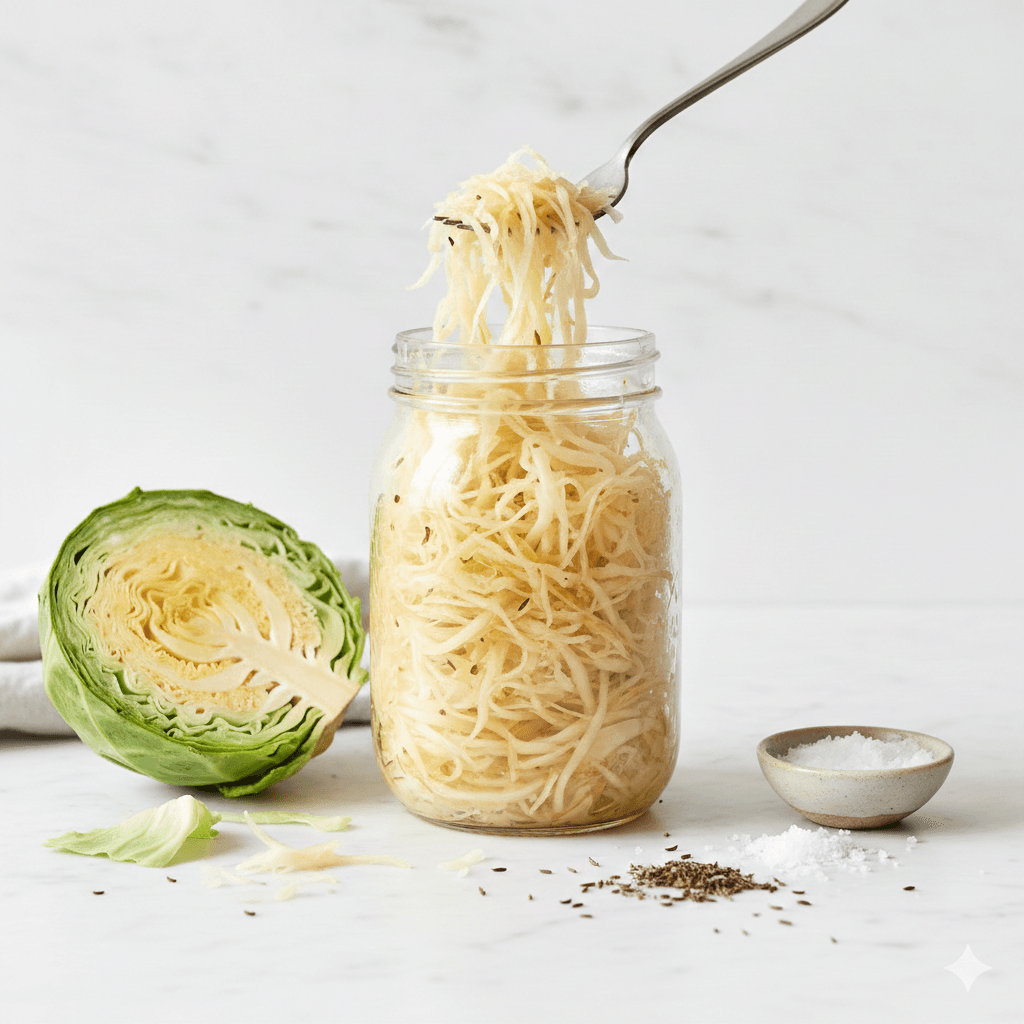
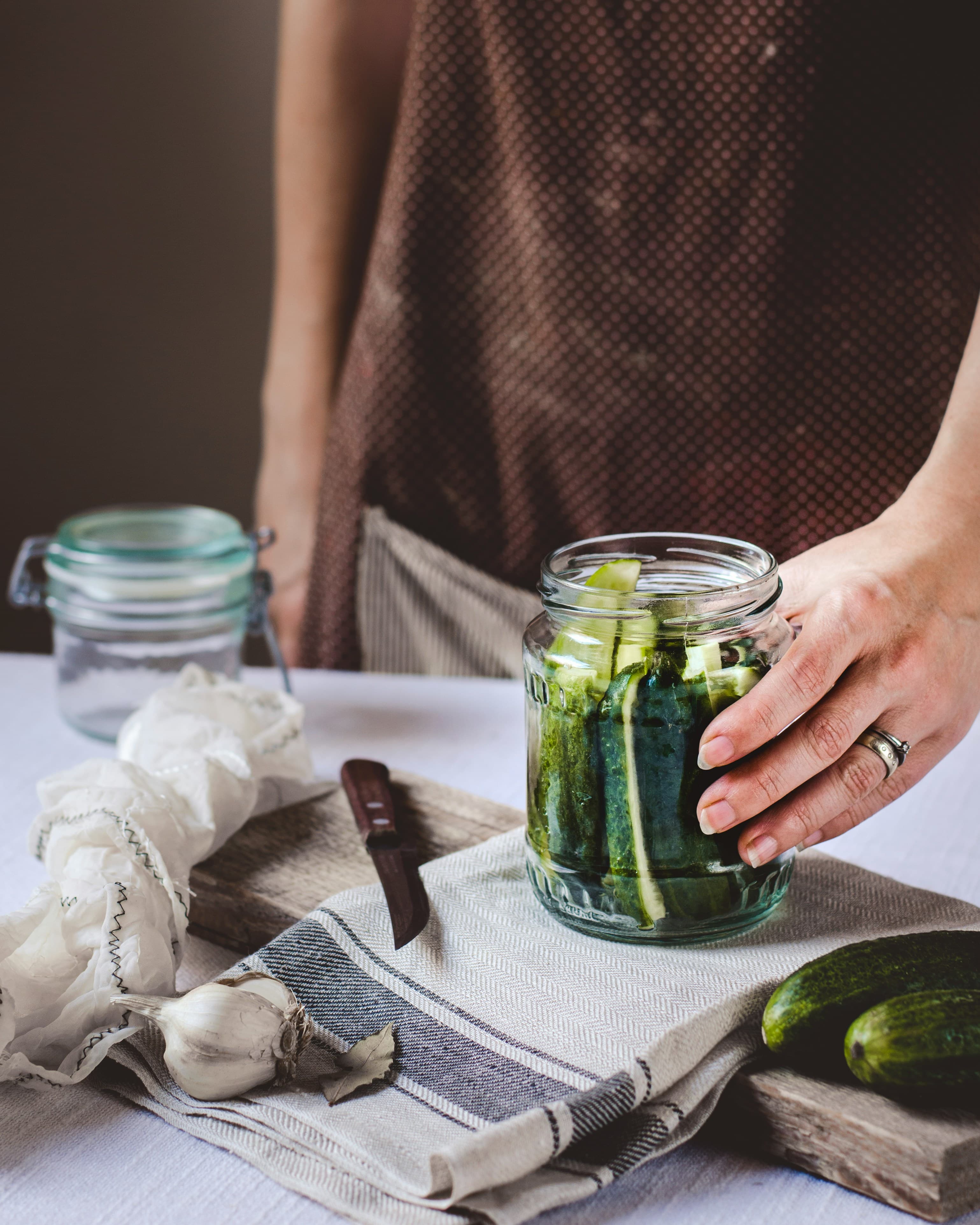
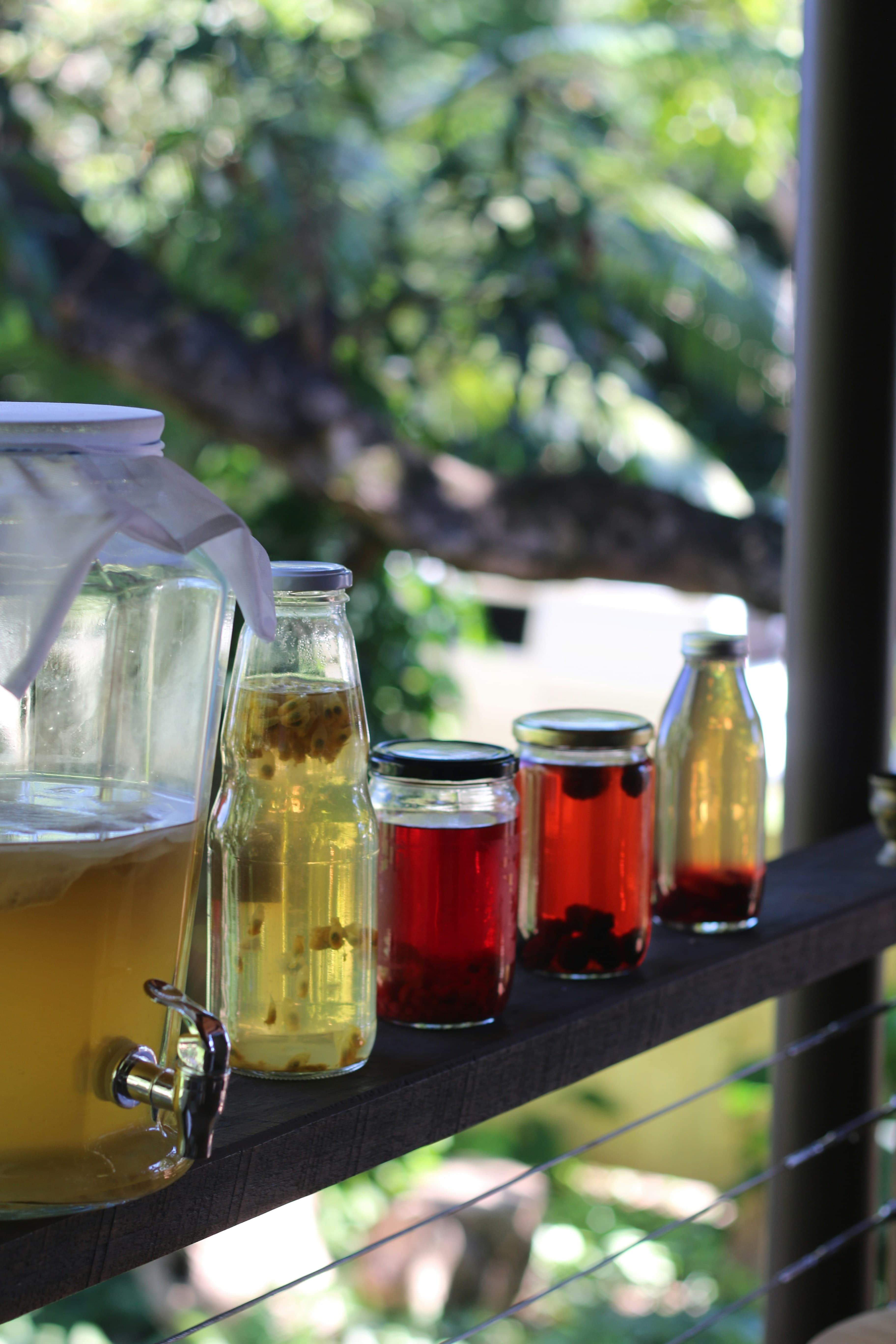
You've made your first batch of sauerkraut or pickles. Now what? Storage is where a lot of beginners get uncertain — and where some well-meaning internet advice creates unnecessary confusion.
Here's the practical answer for every common fermented food.
The Short Answer: Fridge Is the Default
For almost every home ferment, once active fermentation is done (or once the flavor is where you want it), move it to the refrigerator. This is the right call for sauerkraut, pickles, kimchi, hot sauce, and most other vegetable ferments.
Cold storage does two things: it dramatically slows fermentation (so your food stops getting more sour), and it slows the growth of any unwanted organisms that might degrade quality over time. Your ferment will keep for months in the fridge.
Does Cold Storage Kill Probiotics?
No. This is a common concern, but refrigeration does not kill the beneficial bacteria in your ferment — it just puts them into a dormant, slow state. The lactobacillus bacteria in your sauerkraut or kimchi survive cold storage and remain active when you eat the food.
Pasteurization (heat above ~115°F) kills probiotics. The fridge does not. This is why commercially fermented foods that are refrigerated still have live cultures, while shelf-stable canned sauerkraut (which is heat-processed) generally does not.
Counter Storage: When It Works and For How Long
Short-term counter storage is fine for actively fermenting batches. If you're on day 3 of a 5-day ferment, you're supposed to be leaving it on the counter — that's fermentation.
Once fermentation is complete, counter storage is not ideal for most home ferments. At room temperature, fermentation continues slowly, your food will keep getting more sour, and quality will degrade faster. The exception is a live sourdough starter, which many bakers keep at room temperature for frequent use (and feed daily to keep it healthy).
A batch of finished sauerkraut left at room temperature is fine for a few days, but the fridge is better for anything you're keeping longer than a week.
Crock Storage: Long-Term Cool Storage
Traditional fermentation crocks — the kind used before widespread refrigeration — are designed for cool cellar storage, not room temperature. If you have a cool basement (50–60°F), a proper crock can store sauerkraut or fermented vegetables for months without refrigeration.
The key word is cool. A crock sitting at 70°F in a warm kitchen is not doing what a traditional root cellar crock does. Unless you have a genuinely cool space, use the fridge.
Shelf Life by Type
Fermented foods stored properly keep far longer than most people expect. Here's a practical breakdown:
Sauerkraut: Refrigerated, 3–6 months easily. Many people keep it for a year or more without issues. The flavor intensifies over time. As long as it smells sour (not rotten) and looks normal, it's fine.
Kimchi: Refrigerated, 3–6 months. Kimchi continues to ferment slowly in the fridge, becoming more sour and funky over time. Fresh kimchi (geotjeori) has a bright flavor; aged kimchi is deeper and more complex. Both are good, just different.
Fermented pickles: Refrigerated, 2–3 months for best texture. They're safe longer, but the cucumbers can get soft. Keep them submerged in their brine.
Kombucha: Refrigerated, 1–3 months. Kombucha keeps carbonation and flavor well in the fridge. It will continue a slow second ferment and get slightly more vinegary over time. Store in sealed bottles. See our kombucha guide for bottling details.
Fermented hot sauce: Refrigerated, 6+ months. Hot sauce is high-acid and high-salt — it keeps extremely well. A finished fermented hot sauce in the fridge is stable for a very long time.
Yogurt: Refrigerated, 2–3 weeks. Homemade yogurt doesn't have the stabilizers commercial yogurt does, so it separates a bit and tastes more tart over time. Still good, just more pronounced.
Signs a Ferment Has Gone Bad
Fermented foods smell sour — sometimes strongly so. That's normal and expected. But there are signs that something has genuinely gone wrong:
- Foul, putrid, or rotten smell — not just sour, but genuinely unpleasant in a "this is wrong" way. Trust your nose.
- Fuzzy mold — a flat white film (kahm yeast) is harmless; fuzzy growth in any color is mold and means the ferment should be discarded.
- Slimy texture throughout (not just the normal brine — vegetables that have become uniformly slimy and soft rather than just soft).
- Pink or strange coloring where there shouldn't be any.
Normal signs that beginners worry about but are actually fine: white sediment at the bottom (normal yeast and bacteria), slightly cloudy brine (totally normal in lacto-ferments), bubbles (active fermentation), or slightly soft texture in longer ferments.
Storage in one sentence.
When fermentation is done and the flavor is where you want it, move it to the fridge in a sealed jar — it will keep for months and the probiotics stay alive. When in doubt, smell it: sour is fine, rotten is not.