The first fermentation makes kombucha. The second fermentation makes it something you want to drink every day. F2 — as brewers call the second ferment — is when you bottle your kombucha with a little sugar (from fruit, juice, or honey) and seal it to trap the CO₂ produced by the still-active culture. The result is a naturally carbonated, flavored drink that's genuinely better than most things you can buy.
This guide covers the best flavor combinations for kombucha F2, how to get reliable carbonation, and what to avoid. If you haven't brewed your first batch yet, start with our complete beginner's guide to making kombucha at home.
How the Second Ferment Works
After your first fermentation is complete — typically 7 to 14 days — you remove the SCOBY and most of the starter liquid, then bottle the remaining kombucha with a small amount of sugar-containing flavoring. The residual yeast and bacteria in the liquid continue fermenting in the sealed bottle. Since CO₂ can't escape, pressure builds and carbonation develops over 1 to 3 days at room temperature.
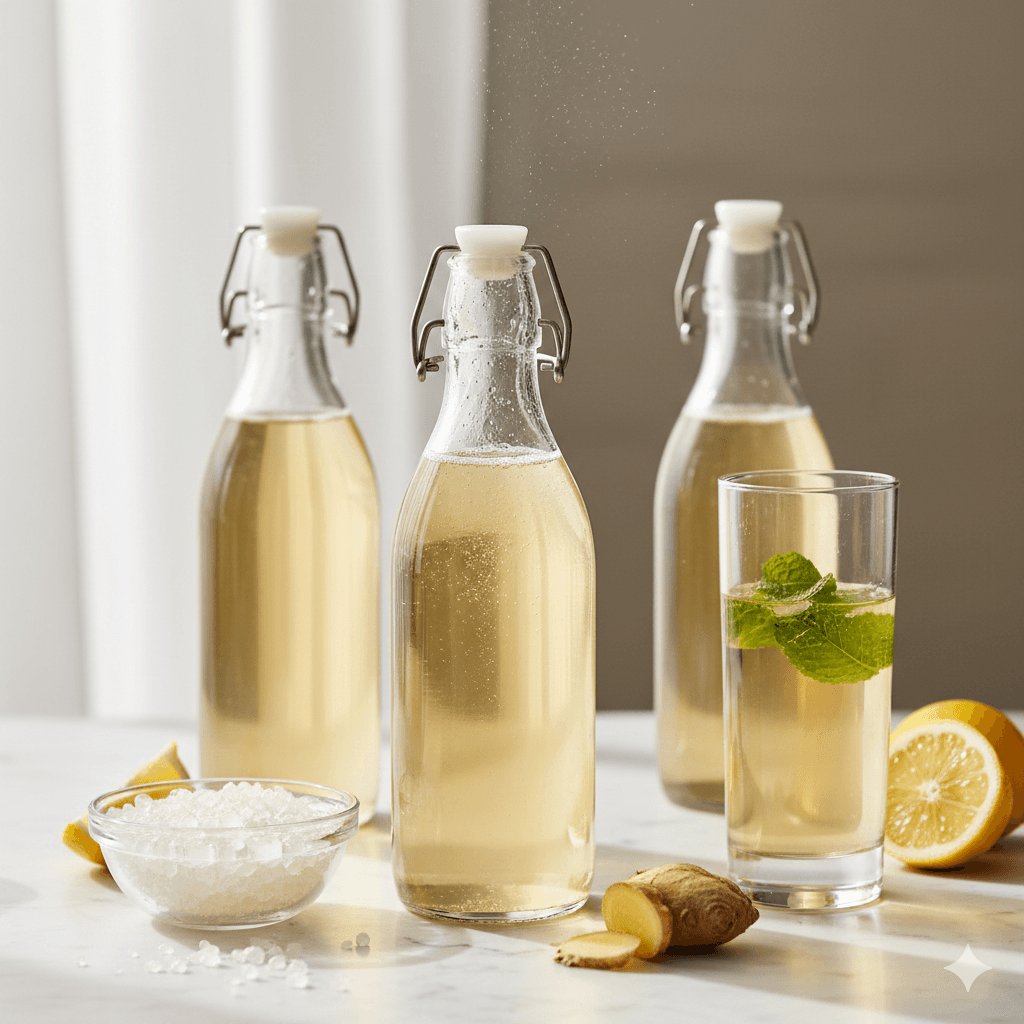
The key variables: sugar content of the flavoring (more sugar = more carbonation), temperature (warmer = faster), and bottle seal quality. Use proper swing-top glass bottles — Grolsch-style swing tops are the standard choice among home brewers for a reason. They hold pressure reliably and are easy to open and reseal.
A good ratio: leave about 1 to 2 inches of headspace in each bottle. Too much headspace means less pressure and flatter kombucha. Too little headspace means excessive pressure and potential gushers when opened.
The Best Kombucha Second Ferment Flavors
1. Ginger — The Classic
Ginger is the most reliable, most popular kombucha F2 flavor for good reason. It's naturally high in sugars, adds complexity without overpowering the kombucha base, and produces excellent carbonation. Fresh ginger works best — grate or finely chop about 1 teaspoon of fresh ginger per 16 oz bottle. For a warming, deeper flavor, add a thin slice of fresh turmeric alongside the ginger.
2. Lemon + Ginger
The upgrade. Add a squeeze of fresh lemon juice (about 1 teaspoon per bottle) alongside your ginger. The citric acid from the lemon brightens the flavor and creates a slightly more tart profile. This is one of the most crowd-pleasing combinations you can make — bright, gingery, and refreshing.
3. Strawberry
Fresh or frozen strawberries work beautifully in F2. Use 2 to 3 sliced fresh strawberries per 16 oz bottle, or about a tablespoon of strawberry puree. The natural sugars from the fruit drive excellent carbonation, and the flavor is bright and summery. This is a great pairing with a little basil — strawberry-basil kombucha is as good as it sounds.
4. Blueberry + Lavender
Add 8 to 10 blueberries (slightly muddled) and a pinch of dried culinary lavender per bottle. The blueberries provide the sugar for carbonation; the lavender adds a delicate floral note. Taste carefully with lavender — a little goes a long way, and too much reads as soapy. A pinch, not a spoonful.
5. Raspberry + Lime
Raspberries are naturally high in sugar and ferment aggressively — expect strong carbonation with this one. Use 4 to 5 fresh raspberries and a squeeze of lime juice per 16 oz bottle. Check pressure after 24 hours. This combination produces a vivid crimson kombucha that looks as good as it tastes.
6. Mango + Chili
Unexpected but excellent. Use 2 tablespoons of fresh mango puree and a pinch of mild chili powder or a thin slice of fresh jalapeño per bottle. The sweetness of mango provides plenty of carbonation fuel; the chili adds a slow heat that builds on the finish. This works especially well if your base kombucha is on the sweeter, less acidic side.
7. Apple + Cinnamon
A fall favorite. Use 2 tablespoons of fresh apple juice (not pasteurized — you want live enzymes) and a small cinnamon stick per bottle. The apple juice ferments cleanly and produces moderate carbonation; the cinnamon steeps into the liquid over the 1 to 2 days of secondary ferment. This is warming, complex, and pairs beautifully with a little fresh ginger added alongside.
8. Pineapple + Coconut
Pineapple juice is one of the best sugars for F2 — it ferments quickly and adds a bright, tropical flavor. Use 2 tablespoons of fresh pineapple juice per bottle, plus a tablespoon of full-fat coconut milk (added after refrigerating, not before — fat doesn't play well with carbonation). Shake gently before drinking.
9. Elderflower + Lemon
If you want something delicate and elegant, elderflower cordial works exceptionally well. Use 1 tablespoon of elderflower cordial and a squeeze of fresh lemon per bottle. The cordial provides the sugar for carbonation; the resulting flavor is floral, bright, and unusually refined for a home-brewed kombucha.
10. Hibiscus + Berry
Dried hibiscus flowers steep into kombucha during F2 to produce a deep crimson, tart, almost cranberry-like flavor. Combine with a few blueberries or raspberries for added sweetness and carbonation. Use about 1 teaspoon of dried hibiscus flowers per 16 oz bottle.
Tips for Reliable Carbonation
- Use real sugar sources, not artificial sweeteners. The yeast needs fermentable sugars. Juice, fresh fruit, honey, and cane sugar all work. Stevia does not.
- Ferment at the right temperature. 70–78°F is ideal for F2. Below 65°F, carbonation barely develops; above 80°F, it can over-carbonate quickly.
- Do a bottle burp test. After 24 hours, carefully open one bottle slightly. If you hear a strong hiss and see bubbles, it's likely ready — or close. Refrigerate all bottles immediately once carbonated to stop further fermentation.
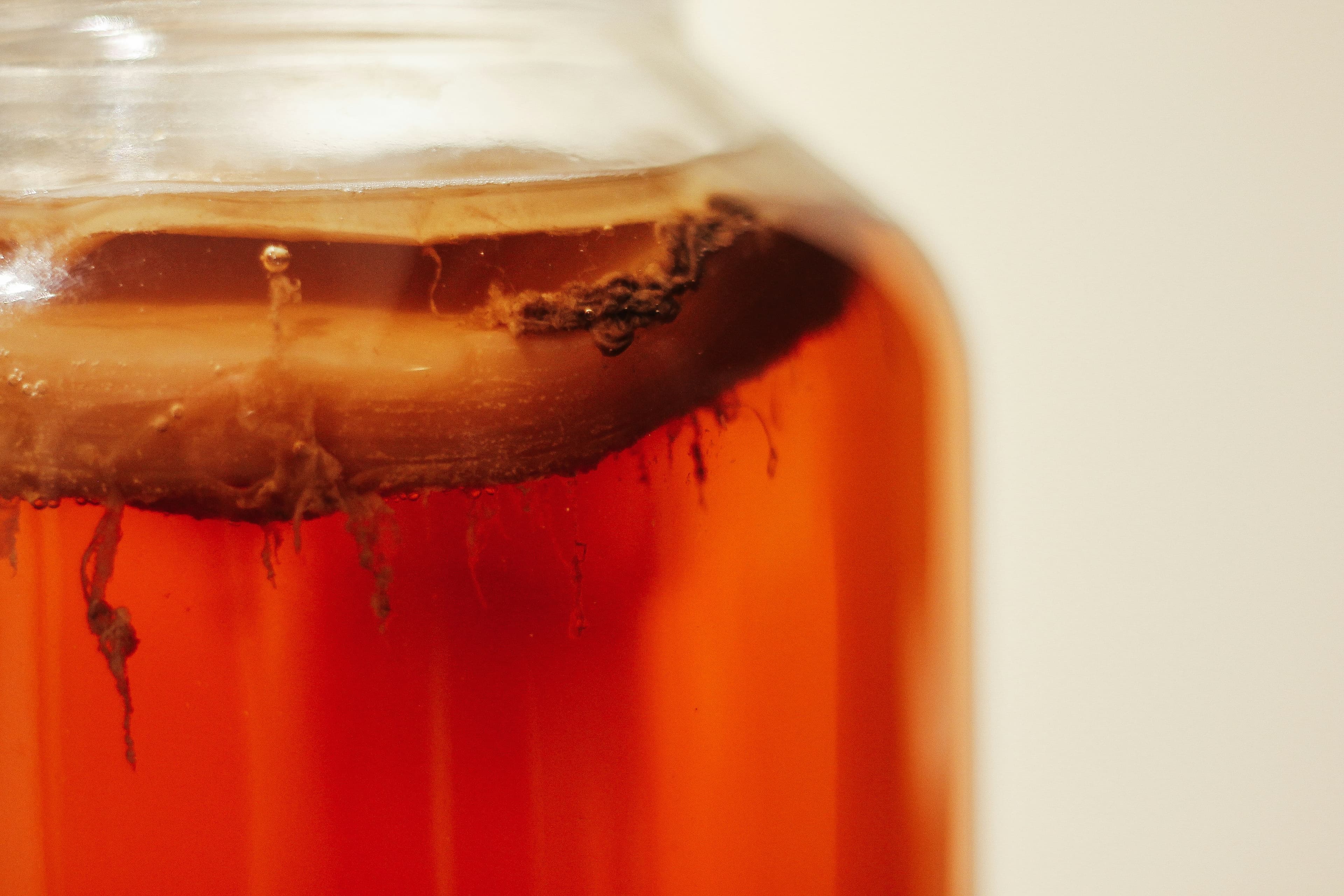
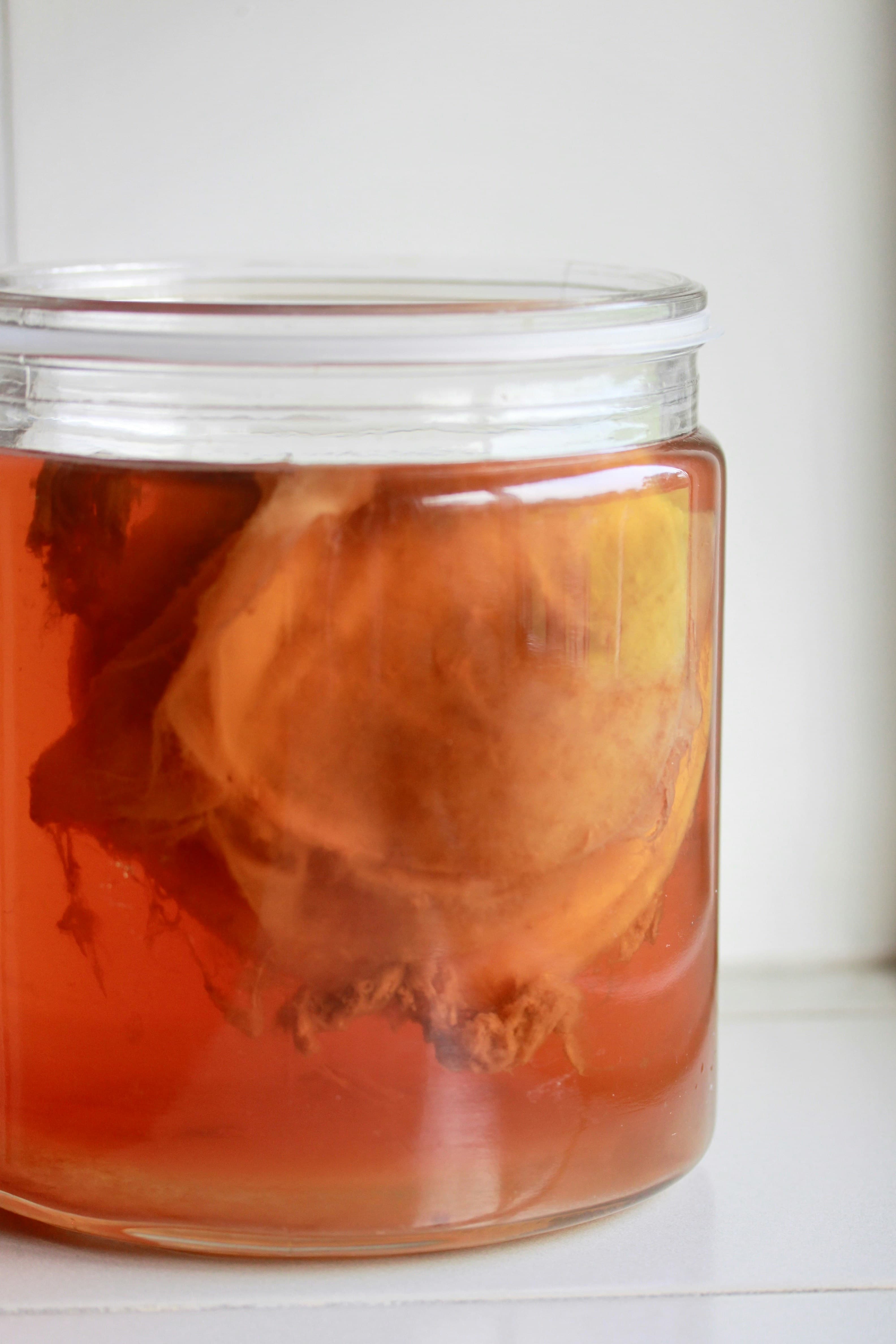
- Check your SCOBY health. Flat kombucha after F2 sometimes indicates a SCOBY that has become too thick, too old, or that is running low on yeast. See our kombucha SCOBY guide for signs of a healthy culture.
Over-carbonation safety
Kombucha in sealed bottles builds real pressure. Always refrigerate once carbonated, and open bottles over a sink or slowly, in stages. If you leave a fully carbonated bottle at room temperature for an extra day, you risk a gusher or, in worst cases, a broken bottle. When in doubt, check pressure early and chill immediately.
Adjusting Tartness in F2
The flavor of your finished F2 depends heavily on where your first ferment ended up. A kombucha that tastes slightly sweet and mildly tart will produce a different F2 result than one that's already quite acidic. Sweeter F1 → more carbonation and a rounder flavor in F2. More acidic F1 → less carbonation fuel, sharper final product.
This is why understanding fermentation time and temperature for your F1 is so valuable. For a thorough breakdown, see our post on how long kombucha ferments.
For the complete Kombucha Brewing 101 guide — from getting a SCOBY through bottling — see our Kombucha Brewing 101 guide.