Spring is the best season for home fermenters. The temperatures are finally right — most kitchens settle into the 65–75°F range that fermentation loves, without the heat of summer that speeds things up too fast or the cold of winter that slows them to a crawl. The ingredient calendar floods with produce that doesn't appear any other time of year. And the energy of the season is right for beginning new projects: something about spring makes people want to fill jars and watch them transform.
This checklist covers everything worth fermenting right now — organized by how long each project takes, so you can prioritize based on your patience and available time. Start the quick ones today; start the slow ones before the season passes.
Quick Ferments (Ready in 2–5 Days)
1. Fermented Asparagus
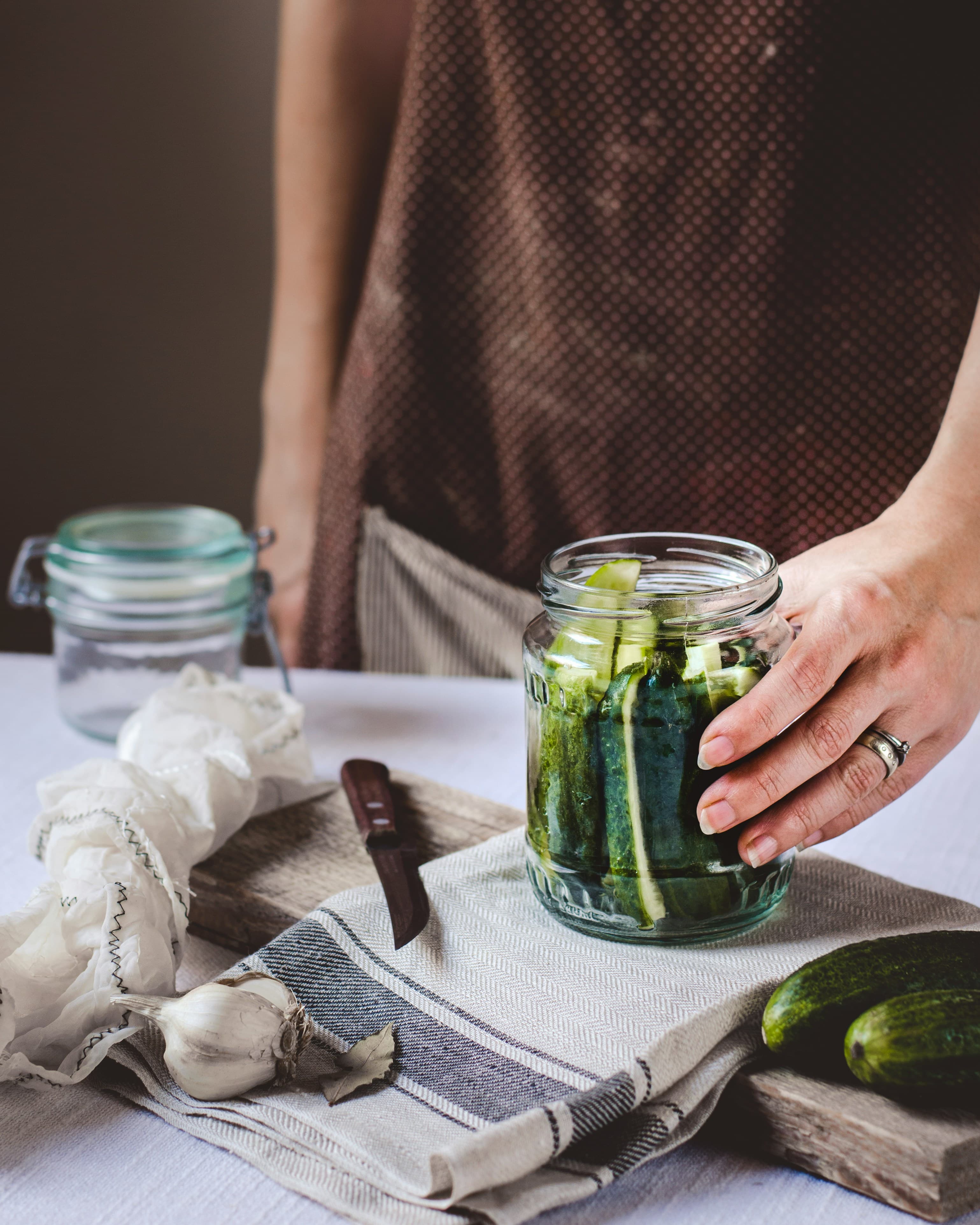
Spring asparagus has a short, glorious season — usually 6 to 8 weeks at most. Lacto-fermented asparagus captures that peak-season crunch and transforms it into something brighter and more complex than fresh spears ever achieve. Pack tight, trim to fit your jar, ferment in a 2% brine, and it's ready in 3 to 5 days. The result is excellent on cheese boards, in bloody marys, or alongside eggs. Our full asparagus fermentation guide walks through every step.
2. Fermented Radishes
Spring radishes — thin-skinned, peppery, and bright red — are one of the fastest and most rewarding ferments of the year. They turn a vivid magenta-pink that makes the brine itself beautiful, and the flavor goes from sharp and biting to mellow, tangy, and complex in just 2 to 3 days. Slice thin or leave whole if small. Use the same 2% brine as any other vegetable ferment, following our fermented pickles guide.
3. Lacto-Fermented Spring Onions
Green onions and spring onions are easy to ferment whole and become something altogether different from raw — sweeter, more complex, with a mellow allium flavor that works beautifully on grain bowls and in sandwiches. Ferment in a 2% brine for 3 to 5 days.
4. Fermented Snap Peas
Sugar snap peas ferment beautifully — they stay crisp, develop a pleasant tang, and retain their natural sweetness. Pack them whole in a jar with garlic and dill, cover with 2% brine, and they're ready in 3 to 4 days. They make an excellent snack straight from the jar.
Medium Ferments (Ready in 1–2 Weeks)
5. Kombucha Second Fermentation (F2) with Spring Flavors
If you already brew kombucha, spring is the best time to experiment with second fermentation flavors. Rhubarb, strawberry, lemon and ginger, elderflower — all of these are exceptional at this time of year. Bottle with one of these additions, seal, and wait 3 to 7 days for the carbonation to build. See our kombucha brewing guide for F2 details if you're not already doing second ferments.
6. Ginger Beer (via Ginger Bug)
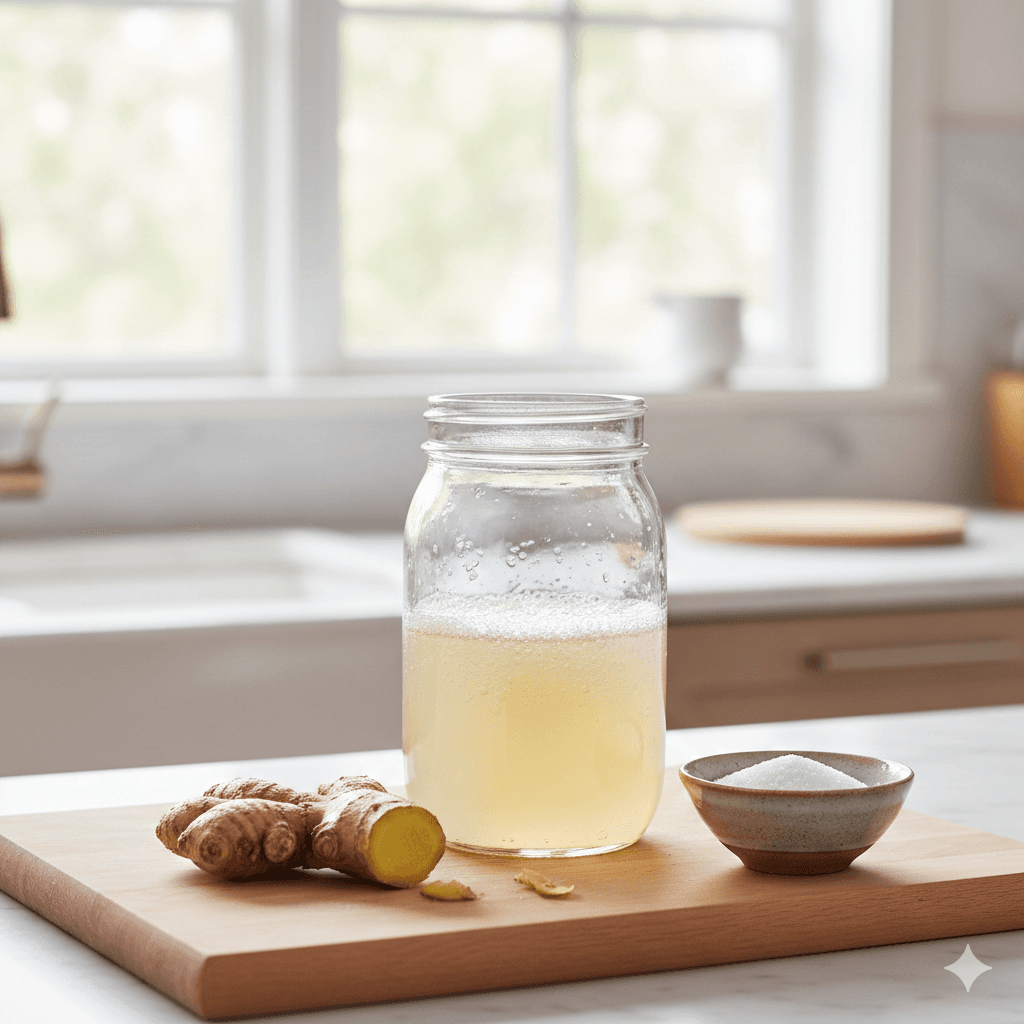
A ginger bug — a wild-fermented starter made from fresh ginger, sugar, and water — is one of the most useful fermentation tools in the spring kitchen. Once established (5 to 7 days), you can use it to make naturally carbonated ginger beer, fermented lemonade, or any number of fizzy drinks. Spring is the ideal time to start one: temperatures are warm enough for the bug to become active quickly without the risk of over-fermentation from summer heat.
7. Fermented Lemonade
Fermented lemonade uses a ginger bug or whey as a starter culture to naturally carbonate fresh lemon juice into a fizzy, probiotic-rich drink. It's one of the most crowd-pleasing fermented beverages and ready in 2 to 5 days once your starter is active.
Slow Ferments (Ready in 3–6 Weeks)
8. Honey-Fermented Rhubarb
Honey fermentation is a slow, patient process — but the results are extraordinary. Raw honey and rhubarb, combined and left to ferment, produce a lush, syrupy condiment where both the fruit and the honey become something greater than they were separately. Start it in early spring and it will be at peak flavor when rhubarb season ends. The full recipe is here.
9. Tepache (Fermented Pineapple)
Tepache is a Mexican lightly fermented drink made from pineapple rinds, sugar, and spices. It takes just 2 to 3 days to ferment and produces a lightly fizzy, sweet-sour drink with tropical flavor and a small amount of alcohol. Spring is as good a time as any to start one — it pairs well with outdoor gatherings.
10. Fermented Strawberries
Early strawberry season overlaps with late spring in most regions. When local berries appear, make at least one batch of fermented strawberries — either lacto-fermented in a salt brine or slowly honey-fermented. The lacto version is ready in 2 to 3 days; the honey version takes 2 to 3 weeks and produces something truly special.
Start-Now Projects (Long Lead Time)
11. Sourdough Starter
If you've been thinking about starting a sourdough starter, do it now. Spring temperatures are ideal — warm enough to establish a starter quickly but not so warm that it over-acidifies. A new starter takes 7 to 14 days to become reliably active, and once it's going, you'll have it for years. See our sourdough starter guide for a day-by-day walkthrough.
12. Water Kefir
Water kefir is a dairy-free, naturally carbonated probiotic drink made with water kefir grains, sugar, and water. It's ready in 24 to 48 hours once your grains are active, making it one of the most efficient fermented drinks you can produce. Spring is an excellent time to start — the grains establish quickly in warmer temperatures. Our water kefir guide covers everything from sourcing grains to flavoring your finished batches.
Your Spring Fermentation Checklist
Here's the full list at a glance:
- ☐ Fermented asparagus (2–5 days)
- ☐ Fermented radishes (2–3 days)
- ☐ Lacto-fermented spring onions (3–5 days)
- ☐ Fermented snap peas (3–4 days)
- ☐ Kombucha F2 with spring flavors (3–7 days)
- ☐ Ginger bug starter (5–7 days)
- ☐ Fermented lemonade (2–5 days)
- ☐ Honey-fermented rhubarb (3–6 weeks)
- ☐ Tepache (2–3 days)
- ☐ Fermented strawberries (2 days to 3 weeks)
- ☐ Sourdough starter (7–14 days to establish)
- ☐ Water kefir (24–48 hours per batch)
Equipment to Have Ready
To work through this list efficiently, you don't need much — but having the right jars and tools on hand makes a big difference. Our guide to the best fermentation jars covers vessels, and our fermentation weights guide covers keeping vegetables submerged. If you're stocking up for spring, a 12-pack of wide-mouth quart mason jars and a set of glass weights covers most of what you'll need.
For more general seasonal ideas, see our earlier spring fermentation projects roundup, which covers five of the most approachable projects for beginners. The checklist above is the more comprehensive companion for fermenters ready to fill their fridge with something alive.
Prioritize the seasonal ones first
Asparagus, rhubarb, radishes, and snap peas have short seasons — blink and they're gone until next year. Prioritize those ferments while the produce is at its peak. Sourdough starters and water kefir can be started any time of year, so don't feel pressure to do those this week if you're already busy with the seasonal projects.